Labour Reclaims Left-Wing Voters in Holborn Byelection Victory
Labour wins Holborn and St Pancras byelection, reclaiming left-wing voters after Starmer era. Deputy leader highlights party's 15-point polling lead over Greens.
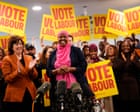
Labour's Holborn Byelection Triumph Marks Shift in Voter Sentiment
Labour's commanding performance in the Holborn and St Pancras byelection represents a significant turning point for the party, signalling the return of left-wing voters who had drifted away during the previous administration. The byelection result demonstrates Labour's capacity to rebuild support among its traditional base, a critical factor as the party navigates the post-Starmer political landscape.
Sagal Abdi-Wali Secures Decisive Victory
Sagal Abdi-Wali claimed the seat with an impressive 45% of the vote, successfully defending what had been Keir Starmer's former constituency in north London. Her victory margin proved decisive, establishing clear dominance over rival candidates and reinforcing Labour's position in this traditionally strong area. The result came amid a relatively modest voter turnout, yet still delivered a resounding endorsement for the party's direction.
Greens Pushed into Second Place
Zack Polanski, leading the Green Party's challenge, finished in second place with 33% of the vote, falling well short of expectations. This outcome proved particularly significant given that the Greens had previously held a polling advantage over Labour in the pre-election surveys. The reversal underscores a fundamental shift in how voters are evaluating their political options and demonstrates the limits of Green Party momentum in established Labour strongholds.
Labour's Growing Lead Over Environmental Movement
The byelection results reflect Labour's expanding advantage over the Greens, with the party now polling approximately 15 points ahead of its environmental rivals. This substantial gap represents a dramatic reversal from earlier polling patterns, when the Greens appeared poised to challenge Labour's dominance. The shift suggests that voters on the left of the political spectrum are consolidating their support behind Labour rather than fragmenting across multiple progressive alternatives.
Deputy Leader's Strategic Assessment
Labour's deputy leadership has characterized the byelection victory as concrete evidence of the party's ability to reconnect with disaffected left-wing supporters. This assessment points to growing recognition that voters who felt alienated during Starmer's tenure are now warming to Labour's current positioning and messaging. The party's renewed appeal to its core constituencies represents a strategic repositioning designed to address previous sources of internal friction and voter dissatisfaction.
Implications for Political Realignment
The Holborn and St Pancras result carries broader implications for Britain's political alignment and voter behavior patterns. The consolidation of progressive support behind Labour, rather than its dispersion among smaller parties, suggests a stabilization of the left-wing vote after a period of fragmentation. This development could have lasting consequences for how opposition politics organizes itself in the coming months and years.
Historical Context and Constituency Significance
Holborn and St Pancras holds particular symbolic importance as Keir Starmer's former seat, making Labour's retention and the manner of victory especially resonant. The north London constituency has long been viewed as a bellwether for progressive politics and voter sentiment on the left. Successfully defending this seat with such a commanding margin sends clear signals about Labour's current trajectory and electoral viability.
Voter Engagement and Turnout Considerations
Despite the relatively low turnout that characterized the byelection, Labour's percentage share of votes cast remained notably robust. This dynamic raises interesting questions about how the party would perform in a higher-engagement electoral environment, such as a general election. The strong showing among those who did cast ballots suggests underlying support that could translate into substantial gains under different participation scenarios.
Looking Forward: Labour's Political Momentum
The byelection victory provides Labour with crucial momentum as it seeks to consolidate its position across the political landscape. With left-wing voters showing signs of returning to the party fold and polling margins over competitors expanding, Labour appears well-positioned to build on this success. The party's ability to retain and expand its support base will likely prove decisive in shaping the broader political contest ahead.