Toy Story 5 Receives Mixed Reviews Over Tech Safety Message
Toy Story 5 sparks debate among critics with divided opinions on its cautionary stance toward technology. Tom Hanks and Tim Allen return in the fifth installment.
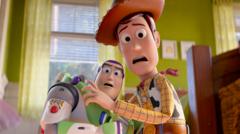
Toy Story 5 Reviews: Critics Clash Over Tech Message
The latest chapter in the beloved Toy Story franchise, Toy Story 5, has generated considerable debate within the critical community regarding its approach to contemporary technological concerns. While opinions remain divided on various aspects of the film, industry observers note that the movie's cautionary stance toward digital innovation has emerged as a central talking point among reviewers evaluating the animated production.
Return of Iconic Voice Cast Members
The fifth installment of the animated series brings back established talent to reprise their signature roles. Tom Hanks continues his decades-long association with the franchise as Woody, the pull-string cowboy who has anchored the narrative since the original 1995 release. Tim Allen returns to voice Buzz Lightyear, the space ranger action figure whose partnership with Woody has defined the series. Joan Cusack rounds out the returning cast members, maintaining continuity with her previous character work in the films.
Critical Reception and Thematic Divisions
Toy Story 5 has prompted significant discussion among film critics regarding its narrative direction and messaging. Reviewers have articulated divergent perspectives on how effectively the film addresses its technological themes. Some critics argue that the movie successfully integrates contemporary concerns into its storytelling framework, offering audiences meaningful commentary wrapped in entertainment value. Others contend that the execution falls short in various dimensions, questioning whether the cautionary elements enhance or detract from the overall cinematic experience.
The Technology Cautionary Framework
At the heart of critical responses to Toy Story 5 lies the film's explicit concern with technology's role in modern childhood and toy culture. The narrative appears to grapple with questions about digital devices, artificial intelligence, and their impact on traditional play patterns. This thematic underpinning distinguishes the latest entry from its predecessors, which focused primarily on companionship, identity, and existential meaning. The cautionary messaging has resonated with some viewers who appreciate the film's attempt to address real-world concerns affecting contemporary audiences.
Praise for Storytelling Innovation
Despite the mixed critical landscape, numerous reviewers have commended specific aspects of Toy Story 5's execution. The film's visual presentation maintains the high animation standards audiences expect from Pixar productions. Character development appears thoughtful, with returning characters given meaningful arcs that respect their established histories. The voice performances, particularly from the returning cast members, have garnered recognition for their nuance and emotional authenticity, suggesting that veteran actors bring depth to their roles even after extended absences.
Analysis of Conflicting Opinions
The divergence in critical assessment likely stems from different interpretations of how the film balances entertainment with educational messaging. Some reviewers believe that integrating cautionary themes about technology strengthens the narrative by providing contemporary relevance. These critics appreciate the franchise's willingness to evolve with societal concerns. Conversely, other commentators suggest that the didactic elements undermine the film's entertainment value, arguing that traditional Toy Story strength lies in character-driven storytelling rather than topical commentary.
Broader Implications for the Franchise
Toy Story 5 represents a significant creative decision for Pixar regarding how established franchises should address modern challenges. The film signals the studio's recognition that audiences—both children and adults—expect blockbuster entertainment to acknowledge contemporary realities. Whether this approach succeeds may influence how future installments of long-running franchises incorporate thematic concerns about technology, artificial intelligence, and digital culture.
Audience vs. Critical Reception
Initial data suggests potential differences between critical responses and audience reactions to Toy Story 5. While professional reviewers maintain diverse opinions about the film's thematic ambitions, early audience responses indicate strong engagement with the entertainment value. This dynamic between critical assessment and popular reception has become increasingly common in contemporary cinema, where different demographic groups prioritize different aspects of filmmaking.
Conclusion
Toy Story 5 emerges as a complex film that generates meaningful discussion about the balance between entertainment and messaging. The return of established voice talent like Tom Hanks, Tim Allen, and Joan Cusack demonstrates the franchise's commitment to continuity while exploring new thematic territory. Whether the film's cautionary approach to technology ultimately strengthens or complicates its narrative remains subject to interpretation, but the breadth of critical conversation suggests that Pixar has succeeded in creating a film that provokes thought and discussion about contemporary childhood, play, and technological influence.