British Steel Future Plan Needed as Costs Soar Dramatically
Government watchdog warns of startling costs for publicly owned British Steel. Labour must present credible plan as spending reaches critical levels.
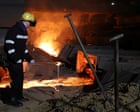
Government Watchdog Issues Warning on British Steel Expenditure
The Office for Budget Responsibility has raised significant concerns regarding the mounting financial burden associated with maintaining British Steel as a publicly controlled enterprise. The government's spending watchdog has characterized the ongoing expenses as "startling," highlighting the pressing need for policymakers to establish a sustainable long-term strategy for the struggling manufacturer.
Labour party leaders face mounting pressure to articulate a comprehensive and credible approach toward resolving the challenges confronting British Steel. The firm's financial trajectory has become increasingly difficult to manage, with no apparent conclusion to the substantial public subsidies required to keep operations running.
Timeline of Government Intervention
British Steel entered public ownership during July of the current fiscal year, a decision framed as essential protection for domestic steel production capacity. This acquisition represented the second major government intervention in less than two years, underscoring the persistent difficulties faced by the nation's steel manufacturing sector.
Prior to full nationalization, the government had already undertaken emergency measures approximately 15 months earlier to avert complete shutdown of the Scunthorpe facility. That initial intervention prevented the catastrophic loss of approximately 4,000 jobs, which would have devastated the local workforce and regional economy.
Economic Impact and Job Preservation
The decision to maintain British Steel in the public sector was justified primarily on grounds of safeguarding employment and preserving critical manufacturing infrastructure. However, the accumulating financial costs have now prompted serious questions about the sustainability and overall wisdom of this approach.
Officials within government have acknowledged that British Steel requires continuous financial support to remain operational. The spending watchdog's characterization of these costs as "startling" reflects growing alarm about the scale of public resources being directed toward the facility with minimal visibility regarding profitability or financial self-sufficiency.
Political Pressure Mounting
Members of Parliament and economic observers across the political spectrum have begun calling for clarity regarding the long-term viability of this arrangement. The absence of a coherent exit strategy or business plan has intensified scrutiny of the government's commitment to supporting British Steel indefinitely.
Critics argue that without a credible roadmap detailing how the company might eventually operate profitably or become attractive to private investment, taxpayers face an open-ended financial obligation. The challenge for Labour leadership involves balancing the legitimate concerns of workers and communities dependent on steel production against fiscal responsibility and efficient allocation of public funds.
Strategic Considerations for Policymakers
Developing an effective British Steel strategy requires addressing multiple complex factors simultaneously. The government must consider market conditions, global competition, technological modernization requirements, and the competitive landscape facing domestic steel manufacturers.
The manufacturing sector faces headwinds from international competitors operating in countries with different labor costs and regulatory frameworks. British Steel's ability to compete meaningfully depends on substantial capital investment, workforce training, and operational efficiency improvements that require both time and financial resources to implement.
Government officials recognize that any credible plan for British Steel must address these structural challenges while remaining politically feasible and fiscally responsible. The current situation, characterized by substantial ongoing spending with no defined endpoint, has become untenable from both practical and political perspectives.