AI Detects Heart Disease in Women via Mammograms
Study reveals AI can identify coronary heart disease, hypertension, and stroke risk in women using routine mammogram screenings for breast cancer detection.
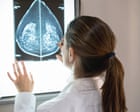
Breakthrough in Women's Health: AI Identifies Cardiovascular Disease Through Mammograms
A groundbreaking study demonstrates that AI heart disease detection mammograms can revolutionize how physicians approach women's preventive care. Researchers have successfully developed artificial intelligence algorithms capable of analyzing routine mammogram images to identify critical cardiovascular conditions, including coronary heart disease, hypertension, and previous stroke incidents. This innovative approach addresses a significant gap in women's healthcare, as heart disease remains the leading cause of mortality among women worldwide, yet frequently goes undiagnosed.
How the Study Works
Medical professionals have long recognized that mammogram screenings serve primarily as cancer detection tools. However, this research introduces a dual-purpose application that maximizes the clinical value of existing imaging procedures. Scientists utilized advanced machine learning models to examine mammographic scans, training the AI systems to recognize subtle indicators associated with cardiovascular disease within breast tissue images.
The study focused on analyzing patterns and tissue characteristics visible in standard mammogram screenings, enabling the technology to flag potential heart disease markers without requiring additional imaging procedures or patient exposure to further radiation. This represents a significant advancement in integrative diagnostic methodology.
The Clinical Significance of Dual-Purpose Screening
By implementing mammogram heart disease screening protocols, healthcare providers can identify women at elevated cardiovascular risk during their routine cancer prevention visits. The technology successfully distinguished between women with documented coronary heart disease and those without the condition, demonstrating its potential reliability as a supplementary diagnostic tool.
High blood pressure and stroke history emerged as additional conditions the AI system could detect with notable accuracy. These findings suggest that integrating artificial intelligence cardiovascular diagnosis into existing mammography workflows could enable earlier intervention and preventive treatment strategies for women facing undiagnosed heart disease.
Addressing Healthcare Disparities in Women
Women frequently experience delays in cardiovascular disease diagnosis compared to men, partly because symptoms present differently and because existing screening protocols have traditionally emphasized male-pattern presentations. The development of women health AI technology specifically trained on female patient data addresses this critical disparity.
Medical professionals recognize that mammogram screenings represent touchpoints where millions of women undergo regular imaging annually. Leveraging these established screening programs to simultaneously assess cardiovascular health could dramatically increase early detection rates without burdening the healthcare system with additional procedures.
Implications for Future Medical Practice
The integration of artificial intelligence into routine clinical imaging represents a paradigm shift in preventive healthcare delivery. This approach exemplifies how existing diagnostic infrastructure can be enhanced through technological innovation without requiring fundamental changes to established screening protocols.
Future implementation of stroke detection mammography capabilities could enable radiologists and clinicians to provide more comprehensive health assessments during standard breast cancer screening appointments. The dual-application approach potentially improves healthcare efficiency while enhancing patient outcomes.
Next Steps in Medical Research
Researchers indicate that additional validation studies will be necessary before widespread clinical implementation. The scientific community must establish standardized protocols for integrating AI-based cardiovascular detection into existing mammography programs across various healthcare settings and populations.
As artificial intelligence continues advancing medical diagnostics, opportunities emerge to maximize the clinical utility of established imaging procedures. This study exemplifies how emerging technologies can address longstanding healthcare challenges, particularly in ensuring that women receive appropriate screening and early intervention for cardiovascular disease.