Kindergarten MMR Vaccination Rates Decline Amid Rising Exemptions
CDC data reveals kindergarten vaccination rates dropping as non-medical exemptions reach 4.2%. Medical experts express concern over emerging immunization trends.
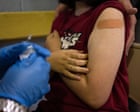
Kindergarten Vaccination Rates Show Downward Trend
Fresh data released by the Centers for Disease Control and Prevention (CDC) indicates that kindergarten vaccination rates are experiencing a notable decline, particularly concerning measles, mumps, and rubella (MMR) protection. This shift in kindergarten vaccination rates comes alongside a significant surge in non-medical exemptions, which have climbed to 4.2% according to the latest CDC report.
The timing of this announcement follows controversial statements made by political figures regarding vaccine safety and composition. Despite these public health concerns, CDC communications initially minimized the significance of the changes, characterizing the overall vaccination landscape as remaining "high" among the kindergarten population across the nation.
Non-Medical Exemptions Reach Historic Levels
The rise in non-medical exemptions represents a concerning development in school immunization policies. These exemptions, which allow parents to opt out of required vaccinations for reasons unrelated to medical contraindications, have reached unprecedented levels. Public health officials have identified this trend as potentially problematic for community immunity thresholds necessary to prevent disease outbreaks in school settings.
The 4.2% exemption rate, while appearing modest on the surface, represents a substantial increase in the number of unvaccinated children within kindergarten classrooms nationwide. This growth trajectory suggests shifting parental attitudes toward mandatory immunization requirements and reflects broader vaccine hesitancy movements gaining traction across various communities.
Medical Experts Express Concern Over Trends
Despite the CDC's measured response to the kindergarten vaccination rates data, infectious disease specialists and immunization researchers have flagged the declining metrics as requiring immediate attention. Medical professionals emphasize that maintaining high vaccination coverage is essential for preventing disease resurgence among vulnerable populations, particularly young children who may not yet have completed their full immunization schedules.
Public health epidemiologists point out that measles, in particular, demands vaccination rates exceeding 95% to maintain herd immunity. The downward trend in MMR coverage, combined with increasing exemptions, creates conditions where localized outbreaks become increasingly probable. Historical precedent demonstrates that even modest declines in kindergarten vaccination rates can precipitate disease clusters in schools and community settings.
State-Level Variations in Immunization Compliance
Analysis of the CDC data reveals significant variation across states regarding kindergarten vaccination rates and exemption patterns. Some states maintain robust immunization enforcement with minimal non-medical exemptions, while others have implemented more permissive policies that facilitate vaccine opt-outs. These disparities create a patchwork of immunization coverage that complicates nationwide disease prevention efforts.
States with stronger exemption restrictions consistently demonstrate higher kindergarten vaccination rates and better disease prevention outcomes. Conversely, regions with relaxed exemption policies show corresponding increases in non-medical vaccine avoidance and declining MMR coverage rates among school-age children.
Implications for Public Health Infrastructure
The emerging pattern in kindergarten vaccination rates carries significant implications for public health planning and disease surveillance. Schools serving as primary immunization verification points face mounting administrative burdens as exemption numbers increase. Additionally, healthcare systems must prepare for potential outbreaks of vaccine-preventable diseases among populations with declining immunity protection.
Public health agencies are reassessing communication strategies to address vaccine hesitancy while maintaining community trust. The challenge involves countering misinformation about vaccine safety and composition while acknowledging legitimate parental concerns about immunization timing and necessity.
Moving Forward: Vaccination Strategy Reassessment
Health officials are considering enhanced outreach programs targeting communities with rising exemption rates and declining kindergarten vaccination rates. Educational initiatives emphasizing the historical success of immunization programs in eliminating childhood diseases are being prioritized. Additionally, healthcare providers are being encouraged to engage in more intensive discussions with parents expressing vaccine concerns.
The CDC data underscores the importance of sustained investment in immunization infrastructure and public education. Maintaining high kindergarten vaccination rates remains essential for protecting vulnerable populations and preventing disease transmission in educational settings. As evidence emerges regarding shifting vaccination trends, public health agencies continue monitoring school-based immunization coverage with increased scrutiny.