Youth Peacemakers Bridge Global Divides at Devon Camp
Teenagers from Israel-Palestine and India-Pakistan unite at UK's first Seeds of Peace event. Young peacemakers bridge historical conflicts through dialogue and understanding.
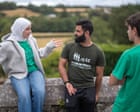
Breaking Barriers: Young Peacemakers Gather in Southwest England
Youth peace initiatives have taken a significant step forward as the United Kingdom hosts its inaugural Seeds of Peace summer program in rural Devon. This landmark event brings together adolescents from some of the world's most contested regions, creating unprecedented opportunities for dialogue between young people separated by deep historical and geopolitical tensions.
The gathering represents a transformative approach to conflict resolution teenagers typically never experience. Participants hailing from Israel and Palestine, as well as India and Pakistan, are spending weeks in the picturesque English countryside working toward mutual understanding and lasting friendships that transcend generational conflict.
The Setting: More Than Just Summer Activities
At first glance, the sprawling Devon campus embodies a traditional summer camp atmosphere. Teenagers engage in recreational activities that define the season—volleyball matches under clear skies, collaborative arts and crafts projects, and entertainment showcases planned for evenings. The scene appears quintessentially pastoral and lighthearted, with no visible hint of the profound work occurring simultaneously.
However, beneath this surface normalcy lies an intensive and carefully structured program dedicated to peace building programs of international significance. The curriculum combines recreational engagement with deep interpersonal work, allowing young people to develop genuine connections while addressing the historical narratives and contemporary realities that have shaped their perspectives.
Bridging Historical Divides Through Dialogue
The foundation of global youth dialogue at this camp rests on bringing together teenagers whose nations and regions have experienced prolonged conflict. Participants from opposite sides of the Israeli-Palestinian dispute sit alongside Indian and Pakistani youth, each carrying personal histories shaped by political tensions, displacement, or loss.
What distinguishes this gathering is its commitment to humanizing the