Unnecessary Breast Removals at NHS Trust: 20 Women Affected
Twenty women underwent needless mastectomies at County Durham and Darlington NHS trust. Hundreds of cancer patients harmed during breast unit treatment in north-east England.
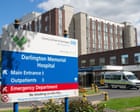
Unnecessary Breast Removals Expose Critical Failures at NHS Facility
A major healthcare scandal has emerged involving unnecessary breast removals at an NHS foundation trust in north-east England. The County Durham and Darlington foundation trust (CDDFT) has acknowledged that twenty women underwent mastectomies without clinical justification while receiving cancer care at its breast unit. This discovery forms part of a broader investigation into treatment failures affecting hundreds of patients at the same facility.
Scope of the Patient Safety Crisis
The unnecessary breast removals represent a significant breach of patient care standards and medical ethics. According to CDDFT officials, the affected women were among a considerably larger cohort of patients who experienced harm during their time at the breast unit. The trust's acknowledgment of these cases marks a turning point in understanding the extent of clinical negligence within the department.
Healthcare regulators have been examining the circumstances surrounding these cases to determine what systemic failures allowed such procedures to occur without appropriate clinical oversight. The unnecessary breast removals underscore serious gaps in diagnostic protocols, surgical decision-making, and quality assurance measures.
Impact on Affected Patients
For the twenty women who underwent unnecessary breast removals, the consequences extend far beyond physical recovery. Patients have endured psychological trauma, body image concerns, and the lasting effects of irreversible surgical interventions based on questionable clinical reasoning. Many have expressed deep distress regarding their treatment experiences and the lack of proper informed consent discussions.
The unnecessary breast removals have prompted these women to seek accountability and answers about how their cases were handled. Support services and counseling have been made available to affected patients, though advocates argue more comprehensive compensation and long-term care are necessary.
Broader Context of Trust Failings
The discovery of unnecessary breast removals at CDDFT reflects wider concerns about standards at the institution's breast unit. Hundreds of additional patients reported experiencing substandard care, diagnostic delays, and treatment complications. Investigations have focused on examining whether inadequate staffing levels, insufficient training, or systemic communication breakdowns contributed to these widespread issues.
Regulatory Response and Accountability
Health and social care regulators have initiated comprehensive inquiries into the breast unit's operations. The unnecessary breast removals have triggered reviews of clinical governance, quality metrics, and oversight mechanisms. The trust has committed to implementing corrective measures, though critics question whether these steps sufficiently address the fundamental problems.
Senior leadership at CDDFT has apologized to affected patients regarding the unnecessary breast removals and other treatment failures. The trust has pledged to enhance clinical protocols, increase staff training, and strengthen quality monitoring systems to prevent similar incidents in the future.
Questions About Clinical Decision-Making
Medical experts have raised concerns about how unnecessary breast removals could have occurred without triggering internal safeguards. The cases suggest potential gaps in multidisciplinary team discussions, second-opinion requirements, or pathology review processes. Questions remain about whether diagnostic imaging or histopathology findings were properly evaluated before surgical recommendations were made.
The unnecessary breast removals at CDDFT have sparked broader discussions within the NHS about ensuring robust clinical governance in specialized units. Healthcare professionals emphasize the critical importance of thorough diagnostic confirmation and evidence-based decision-making before recommending irreversible surgical procedures.
Support and Legal Implications
Patients affected by unnecessary breast removals at the trust are exploring legal options and compensation claims. Medical negligence lawsuits have been filed against CDDFT, with legal representatives arguing that the trust failed in its duty of care. Settlements and inquiries into individual cases are ongoing.
Patient advocacy groups have called for comprehensive independent oversight of the breast unit and mandatory reporting of all adverse outcomes. The unnecessary breast removals have reinforced demands for transparency and stronger accountability mechanisms across NHS cancer services.