UK Open to Chinese EV Tariffs Under EU Made in Europe Plan
UK government considers imposing Chinese electric vehicle tariffs if joining EU's Made in Europe scheme. Beijing warns move would be discriminatory.
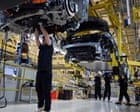
UK Considers Chinese EV Tariffs via Made in Europe Package
The British government has signaled its willingness to adopt Chinese EV tariffs should the nation participate in the European Union's Made in Europe industrial framework. This development emerged following France's recent decision to withdraw objections against UK participation in the Industrial Accelerator Act, creating fresh opportunities for British involvement in the ambitious European economic initiative.
Officials at Number 10 confirmed Friday that the government would "welcome the objective to have the UK included in the Industrial Accelerator Act," marking a significant shift in discussions around the Made in Europe scheme. The statement represents potential alignment with Brussels on industrial policy while simultaneously raising concerns about trade implications with Beijing.
Beijing Issues Warning Over Protectionist Measures
China's government responded swiftly to news of potential tariff measures, characterizing any such action as "discriminatory" and potentially damaging to international trade relations. The warning underscores growing tensions between Western powers and Beijing over industrial policy and manufacturing competition within the electric vehicle sector.
The Chinese EV tariffs would form part of a broader strategy to protect and promote domestic European and British automotive industries. European policymakers have increasingly sought to counter competition from Chinese manufacturers who have captured significant market share through aggressive pricing and technological innovation in the EV space.
France's Shift Opens Door for UK Participation
France's reversal on the UK's inclusion in the Made in Europe initiative represents a diplomatic breakthrough after months of negotiations. Paris had previously maintained that British participation would complicate the scheme's governance and economic objectives. The change in stance suggests growing recognition that UK involvement could strengthen European industrial collaboration rather than undermine it.
Downing Street's enthusiasm for the scheme aligns with the government's broader strategy to deepen cooperation with EU partners on industrial matters despite Brexit complications. The UK EU trade policy increasingly emphasizes alignment on green technology standards and manufacturing resilience.
Electric Vehicle Market Dynamics
Electric vehicle tariffs UK officials support would target manufactured units rather than domestic producers. The strategy mirrors broader protectionist approaches adopted across Europe and North America as governments attempt to establish domestic EV production capabilities and reduce supply chain dependencies.
China currently dominates global EV production and export markets, with companies like BYD, SAIC and NIO expanding aggressively into European markets. Implementation of tariff barriers would raise costs for consumers and potentially slow EV adoption rates, creating a complex policy dilemma for British regulators balancing industrial protection against climate commitments.
UK Industrial Policy Implications
Joining the Made in Europe scheme would represent a meaningful step toward industrial cooperation with the EU. British automotive manufacturers, including those producing electric vehicles, would gain access to preferential frameworks and coordinated support mechanisms. The arrangement could facilitate technology transfer agreements and joint research initiatives previously unavailable post-Brexit.
The Beijing trade warning reflects China's broader concerns about being excluded from Western industrial coalitions. Chinese officials argue that tariff measures targeting their EV manufacturers violate principles of free trade and competitive markets. However, Brussels and London counter that protective measures are necessary to establish sustainable domestic industries.
Future Trade Negotiations
Implementation of tariff schemes would likely trigger formal complaints through international trade forums. The World Trade Organization may become involved if disputes escalate, potentially establishing precedents for permissible industrial protection measures. Chinese manufacturers operating UK and European facilities may face different treatment depending on domestic versus foreign ownership structures.
Government statements suggest negotiations continue regarding specific tariff rates and implementation timelines. The Made in Europe scheme encompasses broader industrial targets beyond electric vehicles, including semiconductors, battery manufacturing, and renewable energy components.
Conclusion
British consideration of Chinese EV tariffs within the Made in Europe framework demonstrates evolving industrial strategy. While Beijing has warned against discriminatory practices, Western governments prioritize domestic manufacturing resilience and supply chain security. The coming months will determine whether negotiated compromises emerge or whether protectionist measures intensify trade tensions further.