UK Launches New Refugee Routes for Afghan Women and Palestinians
UK opens new legal resettlement pathways for Afghan women and Palestinian refugees, prioritizing vulnerable populations with faster access to permanent status.
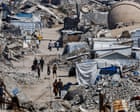
New Legal Routes for Vulnerable Refugees
The UK government has announced the establishment of new refugee resettlement routes, with particular emphasis on Afghan women and Palestinian populations seeking safety and stability. This initiative represents a significant policy shift in how the nation addresses humanitarian obligations toward those fleeing conflict and persecution. The announcement, made by justice officials, underscores a commitment to creating accessible pathways for the most vulnerable refugee populations while maintaining orderly and structured immigration processes.
These fresh refugee resettlement routes come in response to criticism following the abrupt termination of the previous Afghan resettlement program. By reintroducing dedicated pathways with enhanced prioritization mechanisms, authorities aim to balance humanitarian concerns with systemic immigration management. The emphasis on Afghan women and girls acknowledges the particular vulnerabilities faced by female refugees in conflict zones, while simultaneous provisions for Palestinian refugees reflect ongoing international humanitarian commitments.
Accelerated Processing and Permanent Status
A key feature of these new resettlement routes involves expedited processing timelines that enable eligible refugees to achieve permanent status more rapidly than through conventional asylum procedures. This acceleration mechanism recognizes the urgent circumstances facing many applicants while maintaining appropriate security and verification protocols. By establishing faster pathways to permanent residency, the government seeks to provide stability and security to those who have undergone extensive vetting procedures.
The streamlined approach contrasts with previous policies that subjected refugee status to continuous review cycles extending across two decades. Instead, successful applicants through these dedicated routes gain more secure long-term immigration standing, reducing administrative uncertainty and enabling better integration planning. This represents a meaningful adjustment in how the nation structures refugee resettlement, moving toward greater clarity regarding residential permanence and belonging.
Context and Previous Policy Changes
The announcement arrives following significant controversy surrounding the previous administration's closure of the Afghan resettlement scheme. That abrupt termination left many eligible individuals in precarious situations, facing delays and uncertainty regarding their immigration futures. The current initiative directly addresses these shortcomings by establishing renewed commitment to Afghan populations alongside expanded provisions for other vulnerable groups including Palestinians.
Policy modifications have included requirements that refugee status remain subject to periodic review throughout extended timeframes. The new routes, however, provide an alternative pathway that prioritizes permanent settlement for those meeting strict vulnerability criteria. This distinction acknowledges that while immigration oversight remains important, certain populations warrant more secure residential frameworks based on documented need and risk factors.
Humanitarian Priorities and Selection Criteria
Afghan women and girls represent a primary focus within these resettlement routes, reflecting documented concerns regarding gender-based violence, educational deprivation, and systematic persecution in post-2021 Afghanistan. Selection frameworks prioritize individuals facing immediate threats based on gender identity, prior professional status, or family circumstances. Similarly, Palestinian refugee populations facing displacement and humanitarian crises receive designated consideration within these pathways.
The prioritization framework operates within established legal structures while emphasizing humanitarian response to acute needs. Applicants undergo thorough security screening and verification procedures to ensure that resettlement serves legitimate refugee protection objectives rather than creating unintended consequences. This careful balance between compassion and security maintains public confidence in refugee admission systems while fulfilling international humanitarian obligations.
Impact on Immigration Patterns and Channel Crossings
Expert analysis suggests that while these new refugee resettlement routes address humanitarian concerns effectively, projected admission numbers may remain insufficient to substantially impact irregular migration patterns, including dangerous Channel crossings. Unauthorized maritime routes continue attracting migrants due to limited legal pathways relative to global displacement populations. Creating additional formal resettlement routes represents important progress, yet advocates emphasize that further expansion may prove necessary to meaningfully reduce dangerous irregular crossing attempts.
The relationship between legal refugee resettlement capacity and irregular migration flows remains complex, involving multiple push factors beyond asylum policy alone. Economic circumstances, conflict escalation, and persecution dynamics drive migration decisions independently of formal resettlement route availability. While expanded legal pathways contribute valuable humanitarian alternatives, comprehensive approaches to irregular migration require addressing underlying displacement causes through international cooperation and conflict resolution efforts.
Implementation Timeline and Administrative Procedures
Details regarding implementation schedules for these new refugee resettlement routes remain under development, with government agencies establishing operational frameworks and application procedures. Eligible populations will receive information through established international humanitarian organizations and resettlement support networks. Processing timelines and specific quota allocations continue receiving governmental attention as administrative systems prepare for expanded resettlement activities.
International coordination with UNHCR and other humanitarian bodies supports implementation of these refugee resettlement routes, ensuring alignment with global protection standards and efficient identification of qualifying candidates. Nations hosting displaced populations participate in referral processes that feed applications into UK assessment mechanisms. This collaborative approach strengthens both the efficiency and integrity of resettlement selection procedures.
Future Policy Direction
The establishment of these new refugee resettlement routes signals renewed governmental engagement with humanitarian asylum challenges following previous policy reversals. Ongoing assessment of these pathways will inform whether additional expansion becomes necessary to adequately address protection needs within displaced populations. The commitment to Afghan women and Palestinian refugees establishes important precedent for future policy development in this evolving area of immigration governance.