Trump's Economic Strategy Could Reshape Iran's Financial Landscape
Explore how Trump's new economic policy could impact Iran's already sanctioned economy and the potential consequences for international trade relations.
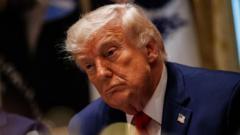
Iran Faces New Economic Pressures Under Trump's Strategy
Trump's economic policy toward Iran represents a significant shift in international financial dynamics that could substantially alter the Middle Eastern nation's economic trajectory. The administration's approach, often described as a comprehensive economic strategy, threatens to intensify pressure on an economy that has already endured years of stringent sanctions.
Throughout the preceding years, Iran demonstrated remarkable resilience in navigating existing economic restrictions imposed by multiple international parties. The country implemented creative financial mechanisms and alternative trade routes to maintain its economic functions despite widespread sanctions. However, Trump's new economic policy introduces additional layers of complexity that may prove more difficult to circumvent than previous measures.
Historical Context of Sanctions on Iran
The Iranian economy has operated under various international sanctions regimes for nearly two decades. These restrictions targeted critical sectors including oil exports, banking operations, and access to international financial systems. Despite these substantial obstacles, Iran's government and private sector actors developed sophisticated workarounds, including barter systems, cryptocurrency transactions, and trade partnerships with willing nations.
Trump's economic policy revisits and expands upon earlier restrictive frameworks, creating renewed uncertainty in Iranian markets. Financial analysts suggest that the cumulative effect of intensified sanctions could create unprecedented challenges for Iranian businesses operating in both domestic and international markets.
Potential Economic Impacts of New Restrictions
The Iranian economy relies heavily on oil revenues, which represent approximately 80 percent of government export earnings. Trump's economic policy specifically targets this sector through enhanced enforcement mechanisms and stricter penalties for companies engaging in Iranian trade. This approach differs from previous strategies by implementing more aggressive monitoring and faster response protocols.
Currency markets have already reacted negatively to announcements regarding Trump's economic policy toward Iran. The Iranian rial has experienced volatility as investors anticipate reduced foreign exchange inflows. Banks throughout the country face potential restrictions in accessing international payment systems, complicating routine business transactions.
Oil Sector Vulnerability
Oil production and export constitute the cornerstone of Iran's economy under Trump's economic policy considerations. Secondary sanctions against companies purchasing Iranian crude create substantial market pressures. Potential buyers from Asia, including traditional trading partners, face difficult choices between accessing Iranian resources and maintaining relationships with Western financial institutions.
Currency and Inflation Pressures
Trump's economic policy implications extend to currency stability within Iran. Historical precedent suggests that intensified sanctions correlate with inflation rates exceeding 30 percent annually. Ordinary citizens experience reduced purchasing power, making imported goods substantially more expensive and limiting access to essential commodities.
Iran's Adaptive Capacity and Response Strategies
Despite acknowledging Trump's economic policy as a serious challenge, Iranian policymakers have indicated their intention to develop new countermeasures. Previous sanctions-evasion techniques included establishing shell companies in third countries, utilizing cryptocurrency platforms for international transfers, and strengthening trade relationships with nations outside Western influence spheres.
The government has also promoted domestic production initiatives aimed at reducing import dependency. Strategic industries including automotive manufacturing, petrochemicals, and agriculture have received increased investment to bolster self-sufficiency. These measures, while potentially effective long-term, require time to generate meaningful economic benefits.
International Implications of Trump's Economic Policy
Global energy markets respond directly to changes in Trump's economic policy regarding Iranian oil supplies. Reduced Iranian exports increase prices for consumers worldwide and benefit competing oil producers including Russia, Saudi Arabia, and the United States. International shipping companies and insurance providers also face increased operational costs when navigating Iranian trade restrictions.
European nations, traditionally divided on Iran policy, must recalibrate their positions under Trump's economic strategy. The European Union has previously attempted to establish alternative financial mechanisms to circumvent American sanctions, though with limited success. Renewed pressure may force more definitive alignment with either American policy positions or continued Iranian economic engagement.
Long-Term Economic Outlook Under Trump's Framework
Economists analyzing Trump's economic policy toward Iran project significant GDP contraction in coming quarters. Baseline forecasts suggest potential economic shrinkage between 5-10 percent, following historical patterns of sanctions-induced recession. However, Iran's demonstrated adaptability and existing informal economy may moderate these theoretical projections somewhat.
The ultimate impact of Trump's economic policy depends substantially on enforcement consistency and international compliance levels. Previous sanctions regimes achieved variable success based on cooperation from third-party nations. If major trading partners maintain engagement with Iran, mitigation effects could substantially reduce theoretical economic damage.
Trump's economic policy toward Iran represents a pivotal moment in international economic relations. While the Iranian economy possesses proven capacity for sanctions adaptation, the intensity and comprehensive nature of these new measures present genuinely novel challenges requiring innovative policy responses and strategic economic repositioning.