Trump Reduces US Military Drills with South Korea Amid Iran Tensions
Trump announces scaling back military exercises with South Korea following non-involvement in Iran conflict, citing diplomatic relations with North Korea's leadership.
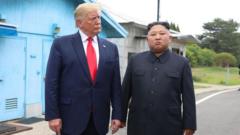
Trump Announces Significant Reduction in US Military Drills with South Korea
The Trump administration has made a notable decision to scale back US military drills with South Korea following the nation's decision to stay out of escalating tensions with Iran. This reduction in US military drills with South Korea marks another shift in the administration's approach to regional security and diplomatic relations in East Asia.
Strategic Reasoning Behind the Military Exercise Cuts
According to statements from the White House, the decision to reduce these military exercises stems from the president's assessment of current geopolitical circumstances. Trump cited his "very good relationship" with North Korea's leader as a key factor in determining the scope and frequency of future military drills. The administration views the scaling back of US military drills with South Korea as part of a broader strategy to maintain diplomatic channels with Pyongyang while addressing immediate security concerns in the Middle East.
Impact on Regional Security Framework
The reduction in exercises represents a departure from longstanding protocols established during previous administrations. Defense analysts have noted that US military drills with South Korea have historically served as deterrents against potential North Korean aggression and as training opportunities for joint forces. The decision to scale back these exercises may signal a shift in how Washington prioritizes military readiness in the Korean Peninsula compared to other global hotspots.
South Korea's Position and Response
South Korea has maintained its measured approach regarding the administration's decision. The country's strategic location and security concerns make any adjustment to US military drills with South Korea a matter of significant importance for Seoul's defense planning. Officials have emphasized the importance of maintaining strong bilateral defense ties while respecting Washington's strategic decisions.
The Broader Context of Iran Tensions
The timing of this announcement coincides with heightened tensions between the United States and Iran. South Korea's determination to remain neutral and avoid direct military involvement in any potential conflict appears to have influenced the Trump administration's decision regarding military exercises. This development underscores how regional conflicts in one part of the world can have cascading effects on defense relationships elsewhere.
Diplomatic Relations with North Korea
Trump's emphasis on his personal relationship with North Korea's leadership reflects his administration's unconventional approach to foreign policy. The president has repeatedly highlighted the importance of maintaining open dialogue with Pyongyang, and the decision to reduce US military drills with South Korea aligns with this strategy. By scaling back exercises, the administration hopes to create a more favorable environment for continued negotiations.
Military and Strategic Implications
Defense experts have expressed varied opinions on the implications of reducing US military drills with South Korea. Some argue that maintaining robust joint exercises is essential for operational effectiveness and readiness, while others suggest that diplomatic overtures may yield long-term benefits for regional stability. The reduction does not eliminate these exercises entirely but rather adjusts their frequency and scope.
Looking Ahead: Future Security Arrangements
The scaling back of US military drills with South Korea does not represent a fundamental shift in the US-South Korea alliance, according to administration statements. Rather, it reflects a calculated effort to balance military preparedness with diplomatic initiatives. Future arrangements will likely depend on developments in Iran tensions and ongoing negotiations with North Korea. The administration has indicated that any further changes to US military drills with South Korea will be coordinated with Seoul and based on evolving security assessments in the region.