Trump Dismisses Military Arsenal Concerns and Targets Information Leakers
Trump denies weapons shortage claims and pledges to hunt down government leakers. Latest statements on US military capacity and classified information breaches.
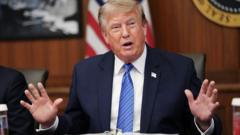
Trump Addresses Military Supply Debate
Former President Donald Trump has publicly dismissed concerns regarding potential Trump weapons shortage, asserting that the nation maintains adequate defense capabilities. During recent statements, Trump emphasized that despite evolving global security challenges, the United States possesses sufficient military resources to address national defense requirements. His comments come amid ongoing discussions about the strategic reserves of advanced military equipment and the sustainability of current defense spending patterns.
Classified Information and Security Concerns
Trump made emphatic declarations regarding unauthorized disclosures of sensitive defense information, warning that those responsible for leaking classified materials would face serious consequences. The former president indicated that government officials and contractors involved in breaching security protocols would be systematically identified and held accountable. This positioning reflects broader concerns within defense circles about protecting sensitive military intelligence and procurement details.
Understanding Military Asset Challenges
While comprehensive weapons inventory data remains classified under national security protocols, declassified reports and defense analyses suggest that certain categories of military equipment require extended manufacturing timelines. Advanced weaponry systems, particularly precision-guided munitions and specialized defense technologies, demand significant production capacity and technological expertise. These manufacturing constraints have influenced strategic planning and military operations across multiple theaters of engagement.
Global Defense Context
The dialogue surrounding Trump weapons shortage concerns reflects broader geopolitical complexities. Nations worldwide face similar challenges in maintaining adequate military reserves while managing production constraints. The United States, as a primary global military force, faces unique pressures to sustain advanced capabilities across numerous defense categories simultaneously. Recent international developments have intensified scrutiny of defense preparedness and resource allocation strategies.
Intelligence Security Framework
Trump's statements emphasize the critical importance of protecting classified military information from unauthorized disclosure. Government leakers pose significant security risks by compromising sensitive defense details that could affect national interests. The enforcement of security protocols and identification of information sources remains a priority for protecting both current operations and future strategic capabilities. Defense agencies continuously work to prevent unauthorized access to classified materials through various security measures and personnel screening processes.
Defense Manufacturing Realities
Production of sophisticated military systems involves complex supply chains, specialized manufacturing facilities, and highly trained technical personnel. The creation of advanced weapons systems cannot be rapidly scaled without substantial investments in infrastructure and workforce development. Defense contractors work under strict government oversight to ensure quality and security standards are maintained throughout production cycles. These systemic constraints directly impact the availability of finished military equipment and the timeline for replenishing defense stockpiles.
Forward-Looking Strategic Considerations
As the Trump weapons shortage discussion continues, defense strategists emphasize the importance of balanced budget allocation, technological innovation, and manufacturing efficiency. Addressing potential supply challenges requires coordinated efforts between government agencies, defense contractors, and policymakers. Investment in production capacity, research and development, and personnel training will influence future defense readiness. The ongoing dialogue about military preparedness reflects genuine concerns about maintaining adequate capabilities in an increasingly complex security environment.