Top London Chefs Expand to Gulf States Over UK Tax Burden
Leading UK restaurateurs open Gulf outposts citing UK tax increases and superior work ethic. James Robson's Fallow expands internationally to escape tax pressures.
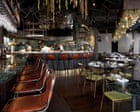
London's Premier Culinary Scene Faces International Expansion Pressure
The trend of UK restaurants expanding to Gulf states represents a significant shift in how Britain's hospitality industry approaches growth. Leading restaurateurs are increasingly viewing international expansion as a strategic response to economic pressures at home, with Gulf locations emerging as preferred destinations for establishing new culinary ventures.
Tax Challenges Drive International Strategy
According to James Robson, co-owner of Fallow in St James's Market, the decision to pursue expansion in Gulf states stems directly from what industry leaders describe as a "tax tsunami" affecting UK businesses. Fallow, widely recognized as London's most sought-after dining destination, currently serves approximately 1,000 customers daily, yet even this level of success has prompted management to explore alternative markets.
The UK's evolving tax landscape has created an environment where established restaurateurs and hospitality operators are reassessing their growth strategies. Robson's recent deal to establish an outpost in the Gulf reflects a broader pattern among London's culinary elite seeking to diversify revenue streams while managing escalating domestic operational costs.
Comparative Advantages in Gulf Markets
Beyond taxation considerations, leading restaurateurs cite workforce dynamics as another compelling reason for establishing operations in Gulf states. The availability of a dedicated, motivated workforce represents a significant operational advantage that distinguishes Gulf markets from competing international destinations.
Gulf countries actively facilitate business establishment through streamlined regulatory processes and government support mechanisms designed to attract foreign investment. This business-friendly environment contrasts sharply with increasingly complex compliance requirements in established Western markets. For hospitality operators accustomed to navigating UK bureaucratic structures, Gulf state efficiency in licensing and business registration offers meaningful operational advantages.
Fallow's International Expansion Strategy
Fallow's trajectory exemplifies how premium London establishments are capitalizing on international opportunities. The restaurant's exceptional performance metrics—serving over 1,000 guests daily while maintaining elite status—demonstrates the operational excellence and brand strength that enables successful international replication. Robson's decision to expand internationally reflects confidence in the restaurant's model and its transferability to new markets.
The St James's Market location has established Fallow as a cornerstone of London's contemporary fine dining sector. This success provides both the financial resources and market credibility necessary for international expansion ventures. By establishing Gulf outposts, premium London establishments can introduce their culinary concepts and operational standards to affluent Middle Eastern markets.
Workforce Culture and Operational Philosophy
Restaurateurs expanding internationally frequently emphasize workforce culture as a critical success factor. Gulf states are perceived as offering workforces with strong commitment to service excellence and professional development. This cultural advantage complements the technical expertise and culinary innovation that London-trained staff bring to new international locations.
The comparative work ethic observed in Gulf markets contrasts with some UK hospitality sector challenges, including labor turnover and engagement difficulties. For established restaurants seeking to maintain operational consistency across multiple locations, workforce reliability represents an essential consideration in expansion planning.
Industry-Wide Implications
The movement of London's top culinary talent and restaurant brands toward Gulf expansion signals broader transformations within the UK hospitality industry. As premium establishments seek international revenue opportunities, questions emerge regarding the long-term health and competitiveness of London's restaurant scene. The decision by leading restaurateurs to expand internationally rather than further develop domestic operations may reshape the capital's culinary landscape.
This international expansion trend reflects fundamental economic pressures affecting UK hospitality. Tax policy, labor costs, and regulatory burdens combine to make Gulf expansion particularly attractive for established brands with strong operational systems and international brand recognition. As more premier London restaurants follow similar expansion paths, the UK hospitality sector faces questions about sustainability and future competitiveness.