Tom Cruise vs Michael B Jordan: What Magazine Covers Reveal About Modern Manhood
Discover what Tom Cruise and Michael B Jordan's magazine covers reveal about contemporary masculinity. Explore how iconic images shape our understanding of modern manhood in 2024.
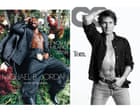
Icon Clashes: How Magazine Covers Define Contemporary Masculinity
The concept of modern masculinity has become increasingly visible through high-profile magazine covers, with two major Hollywood figures currently dominating newsstand conversations. This week, audiences witnessed a fascinating juxtaposition as both Tom Cruise and Michael B Jordan graced prestigious magazine covers, sparking important discussions about how we visually represent and understand modern masculinity in contemporary culture.
These magazine covers arrive at a particularly significant moment when masculinity has become a central topic across media landscapes. The visual representation of these actors serves as a cultural barometer, reflecting evolving attitudes toward strength, vulnerability, and what contemporary society deems as desirable masculine traits.
Tom Cruise's GQ Appearance: A Two-Decade Milestone
At 64 years old, Tom Cruise has returned to GQ magazine with remarkable impact, marking his first appearance on the publication's cover in two decades. This comeback represents far more than a simple photo opportunity—it signals a broader cultural conversation about aging, vitality, and sustained relevance in entertainment.
Cruise's cover presentation deliberately plays with traditional notions of masculine appeal. Photographed in an unbuttoned shirt that hints at what lies beneath, Cruise employs a calculated visual strategy. One hand moves casually through his tousled hair while the other grips his belt buckle, creating a composition that balances vulnerability with confidence. This portrayal of masculinity suggests strength tempered with accessibility, a departure from the purely stoic representations common in earlier decades.
Michael B Jordan and the Vogue Stage
Meanwhile, Michael B Jordan's appearance on Vogue represents another significant moment in how elite publications showcase masculinity. The actor, renowned for his demanding physical preparation and captivating screen presence, brings a different energy to contemporary discussions about male representation in high-fashion editorial spaces.
The presence of Jordan on a fashion-focused platform traditionally associated with female readership demonstrates evolving editorial choices that recognize male audiences and the broader appeal of masculine imagery across demographic boundaries.
Comparative Analysis: Two Approaches to Modern Masculinity
These simultaneous magazine covers present contrasting yet complementary visions of contemporary manhood. Both Cruise and Jordan share undeniable credentials as box-office powerhouses renowned for performing death-defying action sequences that have become signature elements of their careers. Their physical dedication and on-screen intensity have established them as archetypal action heroes in modern cinema.
However, their magazine presentations diverge in meaningful ways. Cruise's approach emphasizes the combination of seasoned experience with maintained physicality—demonstrating that masculine appeal transcends traditional age barriers. Jordan's presentation likely emphasizes contemporary interpretations of strength, reflecting how younger generations conceptualize masculine ideals.
The Broader Cultural Context
Magazine covers featuring prominent male figures serve as important cultural documents that reflect societal attitudes toward masculinity. The timing of these covers, arriving during a period when gender discussions consistently capture headlines, elevates their significance beyond entertainment coverage.
The visual language employed in photographing contemporary male celebrities has shifted measurably from previous decades. Today's representations increasingly incorporate elements previously considered incompatible with traditional masculinity—vulnerability, fashion consciousness, emotional expressiveness, and aesthetic attention.
What Magazine Presentation Reveals About Standards
The decisions made by editorial teams regarding pose, styling, and overall composition communicate powerful messages about what contemporary culture values in masculine representation. These choices influence audience perceptions and contribute to broader cultural narratives about acceptable masculine expression.
Both covers, in their own ways, challenge outdated paradigms while maintaining elements of traditionally masculine presentation. This balance reflects society's ongoing negotiation between established masculine codes and emerging redefinitions of male identity.
Industry Implications and Future Trends
The prominence of these covers indicates that major publications recognize audience interest in thoughtful representation of masculinity. This editorial focus suggests that the conversation about modern manhood will continue shaping how celebrities are marketed and how audiences engage with masculine imagery.
The fact that two of Hollywood's most bankable and physically impressive male performers appear on magazine covers simultaneously creates natural comparison points for cultural analysis. Their presence on these publications validates the notion that discussions about masculinity remain commercially viable and culturally relevant topics worthy of premium editorial real estate.