Taliban Rule Transforms Lives of Afghan Women Beyond Recognition in Five Years
Afghan women describe devastating consequences of five years under Taliban governance, including public floggings, job loss, and critical healthcare barriers affecting survival.
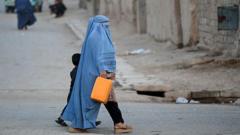
Afghan Women Describe Unrecognizable Transformations Under Taliban Rule
Afghan women Taliban rule has fundamentally reshaped the daily existence of millions across the nation, according to testimonies gathered by international journalists. Over the past five years of Taliban governance, female citizens have witnessed an unprecedented rollback of basic freedoms and opportunities that defined their lives during the previous two decades.
The accounts from women scattered throughout Afghanistan reveal a society fractured by restrictions that touch every aspect of human experience—from employment and education to healthcare access and personal mobility. These narratives, collected through direct interviews, paint a portrait of systematic marginalization that extends far beyond political rhetoric.
Public Punishment and Social Control Systems
Across various provinces, women report witnessing and experiencing public floggings as punishment for alleged violations of Taliban-imposed behavioral codes. These public demonstrations serve as enforcement mechanisms for strict dress codes and conduct standards that exceed historical Islamic jurisprudence interpretations.
The spectacle of public punishment functions as both punishment and deterrent, creating an atmosphere of fear that permeates communities. Women describe avoiding public spaces and modifying behavior to prevent encounters with Taliban enforcers, effectively confining themselves to private spheres.
Employment Crisis and Economic Displacement
The systematic removal of women from professional sectors has created an economic catastrophe for families dependent on female income. Teachers, doctors, government workers, and business owners have been stripped of employment opportunities, forcing households into poverty and dependency.
Afghan women in the workforce now face blanket dismissals with minimal notice or compensation. Many who held specialized positions in healthcare, education, and administration found their careers terminated overnight. This displacement extends beyond individual hardship, affecting the capacity of institutions to function effectively.
Economic analysts note that the exclusion of women from labor markets has reduced national productivity and exacerbated humanitarian crises. Families with widows or single mothers, already vulnerable populations, face heightened destitution without female earnings.
Healthcare Access Deterioration and Life-Threatening Consequences
One of the most alarming consequences of Taliban rule involves restrictions on women's access to medical care. Female patients require male guardians for healthcare appointments, and restrictions on female healthcare workers reduce women's comfort seeking treatment.
Pregnant women face dangerous delays in receiving emergency obstetric care, contributing to elevated maternal mortality rates. Women describe postponing medical treatment due to modesty requirements and guardian authorization procedures, allowing treatable conditions to advance into critical stages.
The healthcare system itself suffers from female physician shortages, as women doctors have been barred from practice. This creates situations where female patients cannot receive examinations or treatment from female providers, violating both medical ethics and cultural sensitivities that many women consider essential.
Education Restrictions and Generational Impact
Secondary education access for girls has been severely curtailed, representing an educational catastrophe with long-term consequences. Young women describe abandoning academic aspirations after restrictions on schooling were implemented.
The prohibition extends beyond formal education to vocational training and skill development programs. This generational deprivation ensures that women currently excluded from education will face decades of limited economic mobility and professional opportunity.
Psychological and Social Toll
Beyond material hardships, women report profound psychological impacts from living under constant surveillance and restriction. Depression, anxiety, and suicidal ideation have increased measurably among female populations.
The social fabric connecting women has fractured as previous spaces for community, professional networking, and personal development have closed. Women who enjoyed professional identities, social roles, and autonomy now describe their existence as confined and invisible.
International Response and Humanitarian Concerns
Human rights organizations have documented systematic discrimination patterns that meet criteria for crimes against humanity. The international community faces pressure to respond while navigating complex diplomatic and humanitarian considerations.
Afghan women's testimonies continue to reach international media outlets, maintaining global awareness of conditions that many fear may become normalized without sustained external attention. Their voices represent a historical record of resistance and resilience under extraordinarily oppressive circumstances.