Summer Office Dress Code: What Your Boss Can Legally Require
Learn what employers can legally enforce for summer office dress codes. Discover workplace wardrobe rules, employee rights, and professional styling tips for hot weather.
Understanding Summer Office Dress Code Policies
The summer office dress code remains a contentious issue between employers and employees navigating warm weather months. While many organizations maintain strict summer office dress code policies, the extent to which managers can regulate worker attire varies significantly based on industry standards, company culture, and local labor laws.
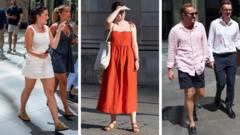
During hot months, conflicts often arise over what constitutes appropriate professional clothing. Employees desire comfortable options like shorts, lightweight strappy tops, and open-toed sandals, while supervisors emphasize brand image and workplace professionalism. Understanding your rights and employer expectations regarding summer office dress code requirements helps prevent misunderstandings and workplace tension.
Legal Framework for Workplace Dress Codes
Employers generally possess the right to establish and enforce dress code policies, including specific summer office dress code guidelines. However, these regulations cannot discriminate based on protected characteristics such as race, gender, religion, or disability status. Courts have consistently ruled that reasonable appearance standards don't violate employment laws when applied uniformly across the organization.
The summer office dress code must align with industry norms and business necessity. For example, client-facing positions in financial services demand more formal attire than creative agency roles. Your boss can require professional standards, but arbitrary rules targeting specific employees may expose the company to legal challenges.
Common Summer Office Dress Code Restrictions
Most organizations implementing a summer office dress code maintain certain restrictions despite seasonal considerations. Typical prohibitions include:
Shorts and Bermudas: Many traditional corporations ban leg-baring garments entirely, even during summer. However, progressive companies increasingly permit tailored shorts at knee-length or longer.
Sleeveless and Strappy Tops: While a summer office dress code might restrict fully sleeveless shirts, some employers accept professional tank tops or allow thin straps. The distinction often centers on whether undergarments remain visible.
Footwear Specifications: Open-toed sandals face varying restrictions. Professional sandals with structural support often remain acceptable, whereas flip-flops and casual beach sandals typically violate summer office dress code standards.
Industry-Specific Summer Dress Code Variations
Your boss's authority over summer office dress code implementation depends largely on your industry sector. Tech companies frequently adopt casual approaches where shorts and unconventional attire face minimal restriction. Legal firms, financial institutions, and government agencies typically enforce stricter summer office dress code requirements regardless of season.
Creative industries like marketing, advertising, and design generally permit more flexible interpretations. Customer-facing roles in hospitality, retail, and professional services usually demand polished appearances aligned with traditional summer office dress code standards.
Negotiating Your Summer Wardrobe with Management
If your current summer office dress code feels unnecessarily restrictive, constructive dialogue with supervisors may yield adjustments. Present practical arguments focusing on productivity, employee satisfaction, and industry benchmarking. Suggest specific modifications to the summer office dress code that maintain professionalism while acknowledging seasonal comfort requirements.
Document how competitors and peer organizations approach casual summer office dress code policies. Propose pilot programs permitting relaxed standards during specific periods. When proposing changes to summer office dress code rules, emphasize mutual benefits rather than personal preferences.
Professional Styling Within Dress Code Constraints
Regardless of your summer office dress code specifics, numerous styling strategies maintain polished appearances while managing heat. Invest in breathable fabrics like linen and cotton blends that suit formal aesthetic requirements. Lightweight blazers over simple shells create layered looks complying with restrictive summer office dress code standards.
Moisture-wicking undergarments and smart fabric choices prevent visible perspiration marks. Professional sandals with ankle support and refined designs often satisfy summer office dress code requirements better than casual alternatives. Neutral color palettes and minimalist accessories project competence while keeping silhouettes modest.
Employee Rights and Protections
While employers establish summer office dress code policies, workers retain certain protections. Dress codes cannot require grooming standards that disproportionately impact protected groups. If your boss enforces a summer office dress code inconsistently or targets specific employees, document instances and consult HR.
Reasonable accommodations for medical conditions, religious beliefs, and cultural practices supersede standard summer office dress code requirements. If your summer office dress code conflicts with legitimate needs, request formal accommodations through proper channels.
Moving Forward: Finding Common Ground
The contemporary workplace increasingly recognizes that summer office dress code flexibility enhances employee morale and retention without compromising professionalism. Whether your organization maintains traditional standards or adopts relaxed approaches, understanding expectations prevents conflict while protecting your career trajectory and comfort during warm months.