Standards Body Reopens Farage Probe Amid Electoral Controversy
The standards watchdog resumes investigation into Nigel Farage's financial affairs as political figures criticize the unnecessary Clacton byelection outcome and implications.
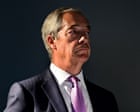
Standards Watchdog Resumes Farage Investigation
The parliamentary standards authority has officially reopened its Farage investigation into the Reform UK leader's financial arrangements, marking a significant development in ongoing scrutiny of his personal and political finances. This decision comes as lawmakers from across the political spectrum voice strong disapproval regarding the circumstances surrounding the recent electoral contest in Clacton.
Nigel Farage's strategy to minimize attention on the Farage investigation through his electoral performance appears to have produced the opposite effect. Rather than deflecting from financial inquiries, the recent events have intensified calls for accountability and transparency regarding his conduct.
Clacton Byelection Results and Political Response
The Reform UK leader secured victory in the Clacton byelection with an expanded parliamentary majority compared to previous electoral outcomes. Official vote tallies demonstrated increased support, with Farage obtaining a higher vote share than achieved during the 2024 general election cycle. Despite these numerical gains, his triumph has drawn considerable criticism from political opponents and commentators across the ideological spectrum.
Political figures representing various parties have characterized the byelection as unnecessary and questioned its timing and justification. The controversy extends beyond typical electoral competition, touching on broader questions about parliamentary procedure and the use of byelections for political purposes.
Farage's Response to Electoral Victory
The Reform UK leader offered combative commentary following his successful campaign, stating that his electoral performance represented a decisive rebuke to the broader political establishment. Farage characterized his victory as a symbolic gesture of defiance against conventional political structures and institutional opposition to his movement.
The Reform leader notably absented himself from the vote count venue, later explaining that avoiding the counting location served to prevent potential embarrassment from interactions with lower-ranking political operatives. This strategic withdrawal from direct observation of electoral proceedings added another dimension to the unfolding narrative surrounding his political position.
Parliamentary Reaction and Standards Concerns
Members of Parliament from multiple parties have publicly denounced the byelection as avoidable and questioned its necessity within the broader legislative calendar. These criticisms reflect widespread concern about the political motivations behind electoral contests and their appropriateness given competing parliamentary priorities.
The reopening of the standards investigation represents institutional recognition that electoral success does not supersede ongoing inquiries into personal conduct. The watchdog's decision signals that parliamentary accountability mechanisms continue operating independently of electoral outcomes and political popularity fluctuations.
Financial Accountability Questions
The investigation into Farage's financial affairs addresses questions regarding the proper disclosure and management of gifts, donations, and monetary support received by the political figure. Standards bodies maintain responsibility for ensuring elected officials comply with established rules governing financial transparency and ethical conduct.
These inquiries form part of established parliamentary procedures designed to maintain public confidence in the integrity of elected representatives. The standards watchdog operates according to defined protocols requiring thorough examination of financial arrangements whenever concerns arise regarding potential violations of parliamentary rules.
Broader Political Implications
The convergence of electoral success and renewed investigation scrutiny creates a complex political situation with implications for institutional governance and public perception of parliamentary accountability. The Farage investigation episode demonstrates the independence of standards-checking mechanisms from electoral outcomes, reinforcing institutional separation between voting results and disciplinary processes.
The response from political opponents indicates sustained determination to pursue accountability questions regardless of electoral performance. This sustained focus reflects broader parliamentary culture emphasizing that success at the ballot box does not obviate obligations regarding financial transparency and ethical conduct compliance.