Sports Direct Owner Acquires Harvey Nichols in Major Retail Deal
Sports Direct's owner takes over luxury department store Harvey Nichols, saving the iconic retailer from closure after years of financial struggles.
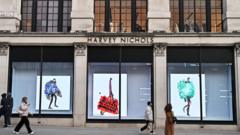
Sports Direct Owner Completes Harvey Nichols Acquisition
The luxury retail sector has witnessed a significant transformation with the completion of the Harvey Nichols acquisition by the proprietor of Sports Direct. This strategic purchase marks a pivotal moment for one of Britain's most iconic department stores, which had previously announced plans to cease operations entirely.
The prestigious retailer, which gained international recognition through its portrayal in the beloved British sitcom Absolutely Fabulous, stood at a critical juncture before this intervention. Financial pressures had mounted considerably, forcing management to consider permanent closure as a viable option if capital injection and operational restructuring did not materialize.
Background of the Iconic Retailer
Harvey Nichols has maintained its position as a cornerstone of British luxury retail for decades. The department store became synonymous with high-end fashion and lifestyle products, establishing itself as a destination for discerning shoppers seeking premium brands and exclusive collections. The store's cultural significance extended beyond commerce, particularly following its starring role in the hit BBC comedy series that depicted the glamorous world of advertising and fashion.
However, like many traditional department store operators, Harvey Nichols faced formidable challenges in recent years. Changing consumer shopping habits, the rise of e-commerce platforms, and challenging economic conditions combined to pressure its financial performance and operational viability.
The Acquisition Impact on Future Operations
This Harvey Nichols acquisition represents a lifeline for the struggling luxury retailer. The new ownership structure brings fresh capital, operational expertise, and a comprehensive retail network to revitalize the brand. Sports Direct's proprietor has demonstrated a track record of acquiring struggling retailers and implementing turnaround strategies.
The intervention prevents what would have been another significant loss for the British retail landscape. The closure of Harvey Nichols would have eliminated a cornerstone of luxury shopping in the UK and represented a further erosion of traditional high street retail presence.
Implications for the Retail Sector
This transaction reflects broader trends within the luxury department store takeover landscape. Major retail consolidation continues as operational challenges force independent and underperforming units to seek strategic partnerships or acquisition. The involvement of Sports Direct's owner signals that experienced retail operators see opportunities within the luxury segment despite sector-wide headwinds.
The move also demonstrates the continued importance of established brands and physical retail presence, even in an increasingly digital marketplace. Harvey Nichols' heritage, customer base, and brand reputation retain substantial value when coupled with adequate capital and modern retail strategies.
What Lies Ahead for Harvey Nichols
The new ownership structure is expected to implement comprehensive modernization initiatives while preserving the premium positioning that distinguishes Harvey Nichols from competitors. Investment in store refurbishment, digital integration, and customer experience enhancements are likely priorities.
The luxury department store takeover also opens possibilities for expansion and brand repositioning. With access to Sports Direct's operational infrastructure and financial resources, Harvey Nichols can explore omnichannel retail strategies and geographic expansion opportunities that were previously constrained by financial limitations.
Conclusion
The Sports Direct owner acquires Harvey Nichols, providing crucial intervention that preserves an iconic British retailer. This acquisition marks the beginning of a new chapter for the historic department store, offering genuine prospects for operational stabilization and long-term viability. The transaction demonstrates that despite contemporary retail challenges, businesses with strong heritage and established market positions can find pathways to sustainability through strategic ownership changes and investment commitments.