Romania Closes Its Sole Nuclear Reactor Amid Danube Water Crisis
Romania's Cernavodă nuclear power plant, supplying 20% of the nation's electricity, faces temporary shutdown due to critical water level decline in the Danube River caused by extreme heat.
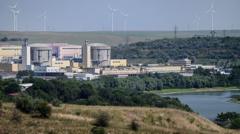
Romania's Nuclear Power Challenge During Heat Wave
Romania's critical energy infrastructure faces unprecedented pressure as the country's only nuclear facility temporarily halts operations. The Danube River water level crisis has forced authorities to shut down the Cernavodă reactor, a cornerstone of the nation's power generation strategy. Extreme temperatures across Eastern Europe have dramatically reduced river levels, making it impossible to maintain cooling operations essential for nuclear safety protocols.
Impact on National Energy Supply
The Cernavodă nuclear plant ordinarily generates approximately 20% of Romania's total electricity output, making its operational status crucial for the country's energy stability. The temporary suspension of this significant power source creates substantial challenges for grid management and industrial operations throughout Romania. Power planners and government officials are closely monitoring the situation as alternative energy sources struggle to compensate for the lost generating capacity.
Understanding the Water Level Crisis
The Danube River, Europe's second-longest waterway, has experienced severe depletion due to prolonged heat waves and drought conditions affecting the entire region. Nuclear facilities require substantial quantities of water for cooling systems, and when river levels drop below operational thresholds, safety protocols mandate immediate shutdown procedures. The current conditions affecting the Danube River water level represent some of the most challenging circumstances Romania's energy sector has encountered in recent years.
Recovery Timeline and Restoration Efforts
Authorities have indicated that the Danube River water level must reach adequate depths before the reactor can safely resume operations. Current projections suggest that normal functioning may not resume for at least ten days, though this timeline remains subject to weather patterns and precipitation rates. Engineers and environmental specialists continue assessing conditions daily, hoping that rainfall or natural seasonal changes will restore necessary water levels.
Broader European Energy Implications
This situation reflects mounting energy challenges across Europe, where climate-related disruptions increasingly threaten power generation infrastructure. Nuclear facilities in France, Germany, and other nations have faced similar constraints in recent years. The temporary suspension at Cernavodă underscores how climate vulnerability affects even advanced energy systems, requiring comprehensive strategies for adaptation and resilience.
Government Response and Alternative Measures
Romanian authorities are implementing emergency protocols to maintain grid stability during the nuclear plant closure. Renewable energy sources, thermal power plants, and interconnections with neighboring countries provide supplementary capacity. However, the loss of 20% of normal generation capacity still creates meaningful pressure on the entire energy system.
Looking Forward: Climate Resilience in Energy Planning
The Cernavodă incident highlights the importance of diversified energy portfolios and climate adaptation planning. As extreme weather events become more frequent, energy infrastructure must evolve to withstand environmental stresses. Water management, cooling system upgrades, and strategic reserve capacity represent critical considerations for Romania's long-term energy security and European grid stability.