Power Bank Safety Campaign Takes Flight Before Check-In
New aircraft power bank safety campaign warns travelers about device risks. Learn what airlines require before boarding and why this matters for your flight.
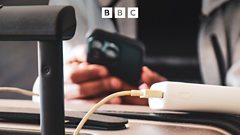
Understanding the Power Bank Safety Campaign on Aircraft
A comprehensive power bank safety campaign is reshaping how travelers approach air travel with portable electronic devices. Airlines worldwide are implementing stricter guidelines to ensure passengers understand the risks associated with carrying power banks aboard aircraft, making this safety initiative crucial for frequent flyers and occasional travelers alike.
The power bank safety campaign emerged from growing concerns about lithium-ion battery incidents during flights. Aviation authorities have documented several incidents where portable chargers malfunctioned at high altitudes, prompting regulatory bodies to establish clearer guidelines. This proactive approach aims to prevent potential emergencies while maintaining passenger convenience and device connectivity during travel.
Why Airlines Are Emphasizing Power Bank Safety
The primary concern behind this power bank safety campaign centers on lithium-ion batteries, which power most modern portable chargers. These batteries can pose fire risks if damaged, overcharged, or defective. When subjected to pressure changes and temperature fluctuations at cruising altitude, malfunctioning units become particularly hazardous in the pressurized cabin environment.
The Science Behind Lithium-Ion Battery Risks
Lithium-ion batteries generate intense heat when they fail, creating potential fire hazards that are difficult to extinguish in confined aircraft spaces. The power bank safety campaign educates passengers about recognizing warning signs, including unusual swelling, discoloration, or overheating of devices. Understanding these indicators helps travelers identify problematic chargers before boarding.
Real-World Incidents Driving Policy Changes
Several documented cases have influenced current aviation regulations regarding portable electronics. Cargo aircraft have experienced more severe incidents than passenger flights, leading to comprehensive restrictions on lithium battery shipments. The power bank safety campaign draws from these incidents to establish preventive measures for commercial air travel.
Current Regulations and Check-In Requirements
Most major airlines now enforce specific guidelines for carrying power banks. These devices must be packed in carry-on luggage exclusively, never in checked baggage, allowing flight crews to monitor and respond to potential issues immediately. The power bank safety campaign consistently reminds passengers that checked luggage placement increases risk factors significantly.
TSA and FAA Guidelines Explained
The Transportation Security Administration and Federal Aviation Administration maintain aligned standards for portable chargers. Devices with capacities exceeding 100-160 watt-hours require special authorization or prohibition altogether. The power bank safety campaign provides clear capacity guidelines, helping travelers determine which devices comply with current regulations before arriving at the airport.
Airline-Specific Policies
Different carriers implement varying restrictions beyond baseline regulatory requirements. Some airlines limit the number of power banks passengers may carry, while others require devices to remain powered off during flight. The power bank safety campaign emphasizes checking with your specific airline in advance, preventing last-minute complications at check-in.
Pre-Flight Checks: What Travelers Must Know
The core message of the power bank safety campaign is straightforward: verify device condition and capacity before travel. Passengers should inspect chargers for physical damage, ensure batteries aren't swollen, and confirm watt-hour ratings match airline allowances. This pre-travel assessment prevents discovering prohibited items at security checkpoints.
Inspection Checklist for Your Power Bank
Before packing for your flight, examine your portable chargers thoroughly. Check for cracks in the casing, liquid leakage, unusual odors, or obvious defects. The power bank safety campaign recommends testing devices to confirm they function normally without overheating. Document watt-hour capacity by checking manufacturer specifications on the device or packaging.
Communication with Airlines
Contacting your airline ahead of travel ensures compliance with their specific power bank safety campaign guidelines. Many carriers provide online resources detailing permitted devices, restricted models, and authorization procedures for higher-capacity units. This proactive approach eliminates uncertainty and potential travel disruptions.
Future of Air Travel and Portable Electronics
The power bank safety campaign represents evolving aviation safety standards in our increasingly connected world. As technology advances and battery capacity improves, regulatory frameworks will continue adapting. Airlines remain committed to balancing passenger needs for device connectivity with comprehensive safety protocols.
Travelers should expect increased emphasis on portable electronics safety at check-in procedures. The power bank safety campaign signals that aviation authorities take these risks seriously, implementing measures designed to protect everyone aboard. Understanding and complying with these guidelines demonstrates passenger responsibility in maintaining aircraft safety standards.
The implementation of thorough power bank safety campaign protocols reflects industry dedication to preventing incidents before they occur. By educating travelers about risks, establishing clear regulations, and enforcing consistent standards, aviation continues advancing passenger safety. Before your next flight, review current guidelines for your airline and ensure all portable devices meet specified requirements for secure, incident-free travel.