Plug-in Solar Panels: A Game-Changing Solution for UK Households
Discover how plug-in solar panels could help UK homes significantly reduce energy bills. Learn what you need to know about this emerging renewable technology.
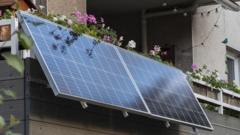
Understanding Plug-in Solar Panels
Plug-in solar panels represent an innovative approach to residential energy generation that could transform how UK households manage their electricity consumption. According to the UK government, these accessible renewable systems have the potential to help homes significantly cut their energy bills while contributing to a more sustainable future. Unlike traditional solar installations requiring professional fitting and roof modifications, plug-in solar panels offer a more flexible alternative for homeowners seeking immediate renewable energy solutions.
The Government's Vision for Renewable Energy
UK government officials have recognized plug-in solar panels as a viable pathway for residential energy independence. These portable systems can be installed without major structural changes to properties, making them particularly attractive for renters and homeowners in conservation areas. The endorsement from government bodies underscores the growing importance of plug-in solar panels in the nation's broader renewable energy strategy. By enabling households to generate their own electricity, these systems align with national climate targets while delivering tangible economic benefits to consumers.
How Plug-in Solar Panels Work
Unlike conventional rooftop installations, plug-in solar panels operate as standalone units that connect directly to standard household electrical outlets. The technology captures sunlight and converts it into usable electricity, which powers domestic appliances and reduces dependence on the national grid. This straightforward mechanism makes plug-in solar panels particularly appealing to homeowners without technical expertise. The systems typically come pre-assembled and ready to deploy, eliminating the need for extensive installation procedures or specialized qualifications.
Financial Benefits for Households
The primary advantage driving interest in plug-in solar panels is their potential to significantly cut energy bills. As electricity prices continue climbing, homeowners increasingly seek alternatives to reduce monthly utility expenses. Plug-in solar panels generate free electricity during daylight hours, directly offsetting grid consumption and lowering energy costs. The UK government has highlighted this financial incentive as central to making renewable energy accessible to average households. Over time, the cumulative savings can justify the initial investment while contributing to environmental preservation.
Accessibility and Installation
One distinguishing feature of plug-in solar panels is their remarkable accessibility. These systems require no planning permission for most residential applications and can be installed in approximately thirty minutes. Homeowners can position them on balconies, patios, garden sheds, or other suitable locations receiving adequate sunlight. This flexibility removes barriers that traditionally prevented wider adoption of solar technology. Renters particularly benefit from plug-in solar panels, as they can install systems without landlord authorization concerns associated with permanent roof modifications.
Environmental Impact
Beyond financial considerations, plug-in solar panels contribute meaningfully to environmental sustainability. Each kilowatt of electricity generated from solar sources displaces carbon-intensive grid power, reducing household carbon footprints. The UK government's support for these systems reflects commitment to achieving national climate objectives through distributed renewable generation. By enabling millions of households to adopt plug-in solar panels, the nation can accelerate its transition toward low-carbon energy infrastructure.
Finding Plug-in Solar Panels Retailers
As demand grows, plug-in solar panels are becoming increasingly available through retail channels across the UK. Major home improvement stores, electrical retailers, and online marketplaces now stock these systems. This widespread availability makes shopping for plug-in solar panels convenient for interested consumers. Retailers typically provide guidance on system sizing, placement considerations, and expected energy generation. Homeowners should compare specifications across different brands to identify solutions matching their particular circumstances and available space.
What to Know Before Purchasing
Prospective buyers should consider several factors when evaluating plug-in solar panels for their properties. Calculate available sunlight hours at your intended installation location, as this determines potential energy generation. Assess your current electricity consumption patterns to estimate achievable savings. Verify that your home's electrical system can accommodate the additional generation without complications. Research manufacturer warranties and aftercare support to ensure adequate protection. Understanding these considerations helps homeowners make informed decisions about implementing plug-in solar panels effectively.
Future Outlook for Solar Technology
The emergence of plug-in solar panels signals a broader transformation in how residential properties access renewable energy. As technology improves and costs continue declining, adoption rates are expected to accelerate substantially. Government initiatives promoting plug-in solar panels could stimulate market growth while advancing climate objectives. This momentum suggests that within coming years, these systems will become standard features in UK households seeking energy independence and reduced utility expenses. The combination of accessibility, affordability, and environmental benefits positions plug-in solar panels as a cornerstone technology for sustainable residential energy management.