Panama Canal Reduces Daily Ships Due to El Niño Effect
The Panama Canal implements significant vessel reductions caused by El Niño-driven low rainfall. Learn about the impact on global maritime traffic and shipping routes.
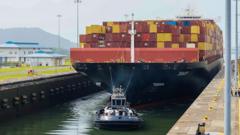
Panama Canal Implements Major Vessel Reduction Strategy
The Panama Canal reduces daily ship transits as operators confront unprecedented water supply challenges stemming from the El Niño weather phenomenon. The Canal Authority announced that decreased precipitation patterns have forced the implementation of strict vessel passage limitations to maintain operational sustainability during this critical period.
Understanding the El Niño Connection
El Niño, the naturally occurring climate pattern characterized by warmer-than-normal ocean temperatures across the Pacific region, has substantially diminished rainfall in the Panama Canal watershed. This reduction in precipitation directly impacts the Gatun Lakes system, which supplies the freshwater essential for operating the canal's innovative locking mechanisms. Without adequate water levels, the Panama Canal reduces capacity to accommodate the standard volume of international shipping traffic that normally transits the waterway daily.
Water Level Concerns
The canal's intricate system relies on precise water management to raise and lower massive cargo vessels through a series of locks. Gatun Lake, the artificial freshwater reservoir created specifically for canal operations, has experienced historically low water levels due to the persistent drought conditions associated with El Niño. Canal authorities determined that continuing at full capacity would jeopardize the waterway's long-term viability and operational integrity.
Global Maritime Impact
This decision to reduce transiting vessels carries significant implications for international commerce and shipping industries worldwide. The Panama Canal handles approximately 5 percent of global maritime trade, making it one of the most economically vital waterways on Earth. When the Panama Canal reduces operational capacity, shipping companies must reroute vessels around Cape Horn at the southern tip of South America, substantially increasing transit times and fuel costs.
Economic Consequences
Shipping delays ripple through global supply chains, affecting everything from consumer goods to manufacturing timelines. Companies dependent on just-in-time inventory systems face particular pressure when forced to utilize alternative routes. The decision to implement passage restrictions reflects the canal operator's commitment to preventing complete channel closures while maintaining critical international maritime commerce.
Canal Authority Response Measures
Rather than permit uncontrolled water depletion that could necessitate closure, the Panama Canal reduces daily transit numbers through a systematic allocation process. The Canal Authority established priority scheduling for different vessel types and cargo classifications. Container ships, tankers, and bulk carriers receive allocated transit slots based on scheduling systems designed to maximize economic benefit while preserving water resources.
Implementation Strategy
The reduction program involves limiting northbound and southbound transits to specific times and allowing only appropriately sized vessels to pass during designated windows. Larger Neo-Panamax ships, which maximize the canal's expanded lock dimensions, receive preference when possible due to their superior cargo capacity per transit. This optimization approach allows the Panama Canal reduces absolute vessel numbers while maintaining reasonable freight throughput.
Historical Context and Climate Patterns
El Niño events occur irregularly, typically appearing every two to seven years, and persist for varying durations. The current phenomenon emerged unexpectedly and intensified beyond initial forecasts, catching maritime stakeholders somewhat unprepared. Past El Niño cycles have affected canal operations previously, though the current manifestation has proven particularly severe regarding rainfall deficit.
Frequency of Restrictions
Canal operators have previously implemented emergency measures during extreme drought conditions, including water conservation protocols and temporary transit limitations. However, the systematic reduction program now in place represents a more sustained response compared to previous emergency interventions. Scientists monitoring climate patterns suggest that El Niño conditions may persist into the following year, requiring extended operational adjustments.
Future Outlook and Adaptation Strategies
The Panama Canal Authority continues exploring long-term solutions to enhance water security and operational resilience. Potential strategies include expanded freshwater reservoirs, improved water recycling systems within the lock mechanisms, and demand management programs encouraging off-peak transits. The Panama Canal reduces emissions through careful scheduling, as fewer vessel movements mean reduced fuel consumption across the maritime industry.
As global climate patterns demonstrate increasing variability, the canal's management must balance immediate operational demands with long-term sustainability. The current situation illustrates how natural phenomena can substantially impact critical infrastructure that billions of people depend upon for economic prosperity. The decisions made by the Canal Authority today will establish precedents for managing future climate-related challenges in maritime transportation.