Pakistan Hospital Fire Kills 14 Newborns: Door Access Dispute Emerges
A devastating fire at a Pakistani hospital resulted in 14 infant deaths. Witnesses claim the ward door was locked, while hospital officials dispute this account and cite security measures.
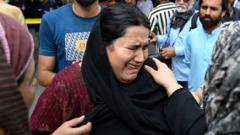
Tragic Fire Incident at Pakistani Hospital Claims 14 Young Lives
A devastating fire at a Pakistani hospital has resulted in the tragic deaths of 14 newborns, sparking immediate investigations and raising serious questions about safety protocols and emergency procedures at the medical facility. The hospital fire Pakistan babies incident has drawn international attention and scrutiny regarding institutional responsibility and preventative measures in healthcare environments.
The incident occurred in the neonatal intensive care unit, where the most vulnerable patients require round-the-clock monitoring and protection. Emergency responders arrived at the scene to discover flames had rapidly spread through the ward, creating a life-threatening situation that overwhelmed available rescue resources. The scale of the tragedy has prompted authorities to launch comprehensive inquiries into the circumstances that allowed such a catastrophic event to unfold.
Conflicting Accounts of Door Security Measures
A critical point of contention has emerged regarding access to the affected ward during the emergency. Eyewitnesses present at the facility have provided testimony claiming that the ward door remained locked at the time of the fire, potentially hampering rescue efforts and limiting the ability of staff and emergency personnel to reach the infants quickly.
Hospital administration, however, has issued a statement to the BBC disputing the accounts provided by witnesses. Officials maintain that the ward door was not locked but rather manned by security personnel positioned to regulate entry and exit. The hospital contends that these security guards were present specifically to protect the vulnerable infant population housed within the unit and to maintain controlled access protocols.
Hospital's Official Position on Security Procedures
The medical institution has defended its operational procedures, emphasizing that the security arrangements in place were designed with patient protection as the primary objective. According to hospital representatives, the presence of security staff at the ward entrance served dual purposes: ensuring unauthorized individuals could not gain access to the neonatal unit while simultaneously maintaining the ability to permit rapid passage during emergencies.
This discrepancy between witness testimony and institutional claims has become a focal point for investigators examining the incident. The question of whether rapid access was impeded during critical minutes of the fire emergency could prove instrumental in determining liability and identifying potential systemic failures.
Investigation Into Fire Safety Standards
Authorities have initiated formal investigations to examine all aspects of the hospital's fire safety infrastructure and emergency protocols. Investigators are reviewing whether adequate firefighting equipment was available and properly maintained, whether staff had received appropriate training for emergency situations, and whether evacuation procedures were clearly established and communicated to all personnel.
The neonatal ward fire has also prompted broader questions about fire safety standards across medical facilities in Pakistan. Regulatory agencies are expected to conduct comprehensive audits of similar institutions to identify potential vulnerabilities and ensure compliance with international safety guidelines.
Impact on Families and Community Response
The loss of 14 newborns has devastated families and shocked the broader community. Parents who had placed their trust in the medical institution to care for their most precious family members now face unimaginable grief. The tragedy has sparked emotional responses and calls for accountability from community leaders, healthcare advocates, and government officials.
Social media and local news outlets have been inundated with expressions of condolences and demands for transparent investigation. Many residents are questioning whether sufficient resources have been allocated to ensure adequate safety measures at hospitals serving vulnerable populations, particularly in neonatal care settings where life-sustaining equipment and emergency protocols are essential.
Moving Forward: Accountability and Prevention
As investigations continue, stakeholders are emphasizing the critical importance of establishing clearer safety standards and enforcement mechanisms. Healthcare professionals and safety experts are calling for mandatory regular inspections, updated firefighting systems, and comprehensive staff training programs across all medical facilities.
The hospital fire Pakistan tragedy serves as a stark reminder of the consequences when safety protocols are inadequate or improperly implemented. Whether responsibility lies with institutional negligence, regulatory failures, or a combination of factors, the incident demands comprehensive review and corrective action to prevent similar occurrences in the future and protect the most vulnerable members of society.