Over 25% of UK Baby Foods Exceed Sugar Guidelines
Analysis reveals nearly a quarter of branded baby foods in UK supermarkets still breach government sugar guidelines one year after voluntary industry standards were introduced.
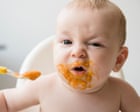
Branded Baby Foods in UK Still Exceed Sugar Limits
An independent analysis of branded baby foods sugar content in the United Kingdom has uncovered concerning results regarding branded baby foods sugar UK compliance with recently established government standards. The investigation examined over 220 commercial infant food and snack products available in major UK supermarkets, revealing that approximately one-quarter continue to surpass recommended sugar thresholds despite regulatory efforts implemented just twelve months prior.
This troubling finding underscores the ongoing challenge in improving nutritional standards for very young children, even after the introduction of official guidance aimed at manufacturers. The branded baby foods sugar UK issue represents a significant public health concern, as excessive sugar consumption during infancy has been linked to developmental and metabolic complications later in life.
Government Guidelines and Industry Response
During the summer of 2025, the UK government established voluntary guidelines specifically targeting manufacturers of commercial baby food products. These infant nutrition guidelines set clear benchmarks that firms were expected to follow within an 18-month implementation window. The directives addressed three primary areas: reducing sodium and sugar concentrations in manufactured infant foods, eliminating marketing strategies that promote snack products to babies younger than one year of age, and correcting misleading packaging and labelling practices that misrepresent the genuine nutritional value of certain products.
The voluntary nature of these infant nutrition guidelines placed responsibility on manufacturers to self-regulate and demonstrate commitment to improving product formulations. However, the latest analysis suggests that compliance rates remain inadequate, with many leading brands continuing existing product lines without substantial modifications to their sugar and salt compositions.
Analysis Findings on Baby Food Sugar Content
The comprehensive study of baby food sugar content across UK retailers revealed disturbing statistics about industry adherence to the new standards. Among the 224 branded infant foods and snacks examined, more than half were identified as non-compliant with the established guidelines. This particularly impacts products marketed as suitable for infants between 6-12 months, a crucial developmental period when dietary habits begin forming.
Products classified as breakfast options, desserts, and snack items showed the highest concentrations of added sugars and other sweetening agents. Many of these baby food sugar content items featured labelling that emphasized natural ingredients or organic certifications, potentially misleading parents into believing these products represented healthier choices than conventional alternatives.
UK Supermarket Baby Products Under Scrutiny
The analysis specifically examined UK supermarket baby products from major retailers including Tesco, Sainsbury's, Asda, Morrisons, and Waitrose. These establishments stock numerous branded options ranging from pureed fruit and vegetable combinations to mixed grain and meat-based meals. The investigation found that even premium and organic-labeled UK supermarket baby products frequently contained sugar levels exceeding recommended amounts.
Manufacturers have relied on various sweetening approaches, including fruit juice concentrates, honey, and added sugars, all of which contribute to total sugar content. Some products marketed as containing