Orange Order march decision sparks Northern Ireland tensions
High Court quashes restrictions on Orange Order march at Drumcree, reigniting sectarian concerns on Garvaghy Road in Northern Ireland.
Court decision reignites Orange Order march controversy
A significant High Court ruling has once again brought the Orange Order march dispute to the forefront of Northern Ireland's political landscape, threatening to destabilize decades of relative peace surrounding the contentious Drumcree issue. The court's decision to quash the latest restrictions on the march has sparked widespread concern among communities along Garvaghy Road and renewed fears of sectarian confrontation in the region.
The Orange Order march has long been a flashpoint for tension in Northern Ireland, with the Drumcree dispute representing one of the most volatile flashpoints in the nation's recent history. For years, this annual procession near Portadown in County Armagh served as a catalyst for intensified sectarian divisions and community violence throughout the province.
From violent summers to uneasy peace
The Drumcree crisis that dominated headlines throughout the 1990s and early 2000s gradually faded from public consciousness over the past twenty years. What was once an annual occurrence of pitched confrontations between Orangemen, residents, and security forces transformed into a period of relative calm and de facto understanding among rival communities.
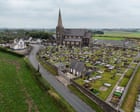
During the height of the dispute, summers around Drumcree were marked by intense clashes near the parish church situated close to Portadown. These confrontations extended far beyond the immediate locality, triggering waves of murderous sectarian violence across multiple regions of Northern Ireland. The ripple effects of the Drumcree march tensions manifested in acts of intimidation, property damage, and communal discord that poisoned inter-community relations throughout the entire province.
The significance of Garvaghy Road
Garvaghy Road has remained at the heart of this dispute for generations. Predominantly Catholic residents of this area have consistently opposed the Orange Order march passing through their neighborhood, viewing it as a provocation and assertion of dominance. The road's strategic location near Portadown has made it a symbolic battleground in the broader struggle over community rights and cultural expression in Northern Ireland.
The tension surrounding the Garvaghy Road route reflects deeper issues within Northern Irish society concerning sectarian identity, territorial claims, and the competing visions of community celebration and respect. Nationalist leaders have argued that allowing unrestricted marches through predominantly Catholic areas violates the rights and dignity of residents, while Unionist representatives maintain that traditional routes must be preserved as expressions of cultural heritage.
Political implications and community response
The latest court decision threatens to unwind the fragile consensus that has existed since the escalation of violence subsided. Political parties across the sectarian divide have expressed concern about the potential consequences of reintroducing restrictions that had previously been negotiated through painstaking dialogue and compromise.
Local communities near Portadown have begun organizing to address potential disruptions, with both sides preparing contingency plans should the march proceed without modified restrictions. The renewed Orange Order march controversy comes at a sensitive moment in Northern Ireland's ongoing reconciliation efforts, as efforts to build cross-community understanding face renewed strain.
Historical context of Drumcree tensions
The original Drumcree crisis emerged in the mid-1990s when the Orange Order sought to march past the Catholic-majority Garvaghy Road community. Successive years of confrontation, negotiation, and occasionally intense violence shaped the nature of contentious marching seasons in Northern Ireland. The dispute became emblematic of broader cultural and political conflicts that continue to influence sectarian relations.
Throughout the disputed period, the Portadown march became synonymous with rising tensions that would cascade across Northern Ireland, affecting communities far removed from the immediate area. Security forces faced enormous pressure to maintain order while balancing the rights of different community groups with divergent interests and historical grievances.
Road forward amid uncertainty
The High Court's quashing of restrictions on the Orange Order march creates significant uncertainty about the stability achieved over recent decades. Community leaders from both traditions have called for renewed dialogue to prevent the escalation that characterized earlier periods of the Drumcree dispute.
As Northern Ireland continues its long journey toward lasting peace and reconciliation, incidents like this court decision demonstrate how quickly historical tensions can resurface. The challenge facing political and community leaders involves finding sustainable solutions that respect cultural identities while ensuring that commemorations and marches do not become flashpoints for renewed sectarian violence.
The coming months will be crucial in determining whether the High Court ruling leads to genuine dialogue or a return to confrontational posturing that characterized the Drumcree marching seasons of previous decades. All stakeholders in Northern Ireland's peace process recognize that the stakes extend far beyond a single march, representing instead a test of the region's commitment to moving beyond sectarian division.