Nigeria's Vulture Crisis: How the 'Vulture King' Battles Extinction
Discover how Nigeria's endangered vultures face extinction threats and the passionate conservationist fighting to save them from disappearing forever.
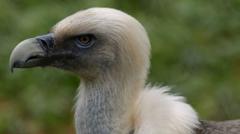
Nigeria's Vulture Crisis: How the 'Vulture King' Battles Extinction
Vultures in Nigeria face an unprecedented crisis as populations plummet across the nation, yet one dedicated conservationist has emerged as a beacon of hope in this environmental struggle. Despite widespread misunderstandings about these remarkable birds, a passionate individual known as the 'Vulture King' continues efforts to reverse the alarming decline threatening Nigeria's vulture species with complete disappearance from the country's skies.
Understanding the Ecological Importance of Vultures
Many people fail to recognize the critical role that vultures Nigeria plays within natural ecosystems. These magnificent raptors serve as nature's essential sanitation system, consuming carrion and preventing the spread of dangerous diseases that could devastate wildlife and human populations. Beyond their health benefits, vultures maintain ecological balance by recycling nutrients through their feeding habits, supporting the intricate web of life across African savannas and landscapes.
The disappearance of these birds disrupts natural cycles that have functioned for millennia. When vulture populations decline significantly, the accumulation of carcasses creates health hazards and allows disease vectors to flourish unchecked. This cascading effect demonstrates why preserving vulture populations remains essential for overall environmental health and sustainability in Nigeria.
Threats Driving Vultures Toward Extinction
Multiple dangerous factors contribute to the rapid decline of vultures in Nigeria. Poisoning represents one of the most severe threats, as livestock owners and farmers sometimes intentionally eliminate these birds, mistakenly believing they threaten their animals. Additionally, illegal hunting for traditional medicine and ritual practices continues despite conservation awareness campaigns throughout the region.
Habitat loss compounds these challenges as deforestation and land conversion reduce suitable nesting and feeding grounds for vulnerable vulture populations. Food scarcity resulting from changes in agricultural practices and wildlife management further stresses already declining species. The combination of these interconnected threats creates an urgent conservation crisis requiring immediate intervention and coordinated action.
Who Is the 'Vulture King'?
This remarkable conservation advocate has dedicated years to studying and protecting Nigeria's vulture populations against seemingly insurmountable odds. The 'Vulture King' works tirelessly to educate communities about the ecological and cultural significance of these misunderstood birds. Through practical conservation initiatives and community engagement programs, this dedicated individual challenges negative perceptions while implementing concrete strategies for species recovery.
The conservationist's work involves collaboration with local communities, government agencies, and international wildlife organizations to create sustainable protection measures. By fostering dialogue between traditional practices and modern conservation science, the 'Vulture King' bridges cultural divides while advocating for vulture preservation across diverse stakeholder groups throughout Nigeria.
Overcoming Cultural Misconceptions
Superstition and misinformation have historically painted vultures as sinister omens or sources of supernatural threat. Some communities continue traditional practices that specifically target vultures for ritual purposes, driven by cultural beliefs passed through generations. These misconceptions directly threaten vulture survival and require sustained educational efforts to reverse entrenched attitudes.
The 'Vulture King' addresses these challenges through community outreach, demonstrating how vultures contribute positively to society and represent valuable natural heritage. By presenting scientific evidence alongside culturally respectful communication, conservation efforts help communities understand that protecting vultures ultimately benefits their own wellbeing and environmental security.
Current Conservation Efforts and Challenges
Multiple initiatives work toward reversing vulture decline across Nigeria, including habitat protection programs, anti-poisoning campaigns, and captive breeding considerations for critically endangered species. However, success remains limited by inadequate funding, weak enforcement of wildlife protection laws, and competing pressures on land use throughout the country.
The 'Vulture King' and collaborating organizations face significant obstacles when attempting to implement comprehensive conservation strategies. Limited resources restrict the scope of protective measures while enforcement challenges allow illegal hunting and poisoning to continue relatively unchecked in many regions. Despite these difficulties, dedicated conservationists persist in their mission to save Nigeria's vultures from disappearing entirely.
The Path Forward for Nigeria's Vultures
Reversing the vulture extinction trend in Nigeria requires sustained commitment from multiple stakeholders including government bodies, conservation organizations, local communities, and international partners. Successful preservation depends on strengthening legal protections, increasing funding for research and monitoring programs, and continuing aggressive community education initiatives.
The work of passionate individuals like the 'Vulture King' demonstrates that meaningful change remains possible despite overwhelming challenges facing endangered species. Through persistent advocacy, scientific expertise, and unwavering dedication to environmental protection, conservationists continue fighting to ensure that vultures remain integral to Nigeria's natural heritage for generations to come.