NHS Weight-Loss Injections at Risk as GP Funding Cuts Bite
Inquiry reveals 21 of 36 ICBs have withdrawn GP funding for NHS weight-loss injections, leaving eligible patients facing access barriers to treatment.
NHS Weight-Loss Injections Face Access Crisis
An extensive investigation has uncovered a significant challenge affecting NHS weight-loss injections across England, with most integrated care boards withdrawing financial support for general practitioner services. The findings reveal that eligible patients seeking potentially life-transforming treatment through NHS weight-loss injections are increasingly unable to access these medications due to disappearing funding mechanisms at the local level.
The research, conducted by leading GP publication Pulse, examined funding arrangements across all integrated care boards responsible for commissioning healthcare services in their regions. The data demonstrates that the withdrawal of NHS weight-loss injections funding has created a postcode lottery, where access depends largely on geographical location rather than clinical need.
Scale of Funding Withdrawal
The scope of the funding cuts is substantial. Among 36 integrated care boards surveyed, 21 have completely eliminated payments to practices for delivering prescribing and monitoring services related to weight management medications. This represents nearly 60% of all ICBs that have discontinued financial arrangements with general practitioners.
Beyond those who have withdrawn support, nine integrated care boards never established local enhanced services for NHS weight-loss injections in the first place. Only four ICBs maintain active funding arrangements for GP-delivered services. This fragmented landscape creates significant disparity in patient access across different regions of England.
Impact on Patient Access
The withdrawal of NHS weight-loss injections funding has direct consequences for patients waiting to begin treatment. When general practices no longer receive dedicated payments for prescribing and monitoring these medications, they face financial pressure to prioritize other services. This financial disincentive effectively blocks patient pathways to treatment, despite clinical eligibility.
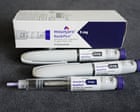
Tirzepatide, marketed as Mounjaro, represents a pharmaceutical breakthrough for weight management. However, its clinical benefits remain inaccessible to many patients who would qualify for treatment under NHS guidelines. The funding crisis means that potentially life-changing therapeutic options are unavailable through primary care settings where most patients initially seek healthcare.
Financial Arrangements Collapse
The withdrawal pattern reveals concerning trends in how integrated care boards prioritize spending. Local enhanced services, which previously provided financial frameworks enabling practices to deliver specialized weight management care, have largely disappeared. This suggests strategic decisions at board level to redirect resources away from weight management services despite rising prevalence of obesity-related conditions.
General practitioners face a critical dilemma. Without dedicated funding through local enhanced services, prescribing and monitoring NHS weight-loss injections becomes unprofitable for practices. While some practitioners might continue regardless, the financial burden typically results in reduced capacity and eventual cessation of these services. The economic model no longer supports GP-led delivery of weight management treatment.
Regional Disparities in Service Availability
The patchwork of funding decisions creates significant inequities across England. Patients in regions where ICBs maintain NHS weight-loss injections funding through local enhanced services can access treatment through their GP. Meanwhile, identical patients in neighboring regions, with identical clinical need, cannot obtain these medications because funding has been withdrawn.
This variation undermines principles of equity in NHS provision. Healthcare access should be determined by clinical need and national eligibility criteria, not by which integrated care board manages a particular region. The current situation represents a fundamental departure from these principles, as funding decisions fragment what should be consistent service provision.
Implications for Weight Management Strategy
The withdrawal of NHS weight-loss injections funding raises questions about England's obesity management strategy. Even as new pharmaceutical tools become available, the financial infrastructure supporting their delivery through primary care is collapsing. This creates barriers precisely when treatment options could be expanded to address rising obesity prevalence.
The situation suggests that integrated care boards may be struggling with competing financial pressures. Rather than expanding access to evidence-based treatments, they are reducing commitments to weight management services. This approach risks worsening population health outcomes in regions where NHS weight-loss injections become unavailable through general practice.
Looking Forward
The investigation findings demand urgent attention from NHS leadership. Coordinated policy responses are needed to restore and standardize funding for weight management services across all integrated care boards. Without intervention, access to NHS weight-loss injections will increasingly depend on private healthcare options, creating a two-tier system where only affluent patients can access treatment.
Stakeholders including patient representatives, clinicians, and health commissioners must engage in discussions about sustainable funding models for weight management in primary care. The current trajectory, where NHS weight-loss injections funding continues to decline, is unsustainable and inequitable.