Netanyahu Dismisses Trump's Gaza Plan: Political Strategy or Permanent Stance?
Netanyahu rejects Trump's 15-point Gaza proposal amid election campaign. Discover how the Trump administration responds and what it means for Middle East peace negotiations.
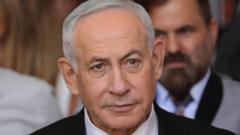
Netanyahu's Response to Trump's 15-Point Gaza Initiative
Israeli Prime Minister Benjamin Netanyahu has openly rejected the Trump administration's comprehensive 15-point Gaza plan, a development that has sparked significant discussion across international diplomatic circles. Netanyahu's dismissal of Trump's Gaza proposal comes at a critical juncture in Middle Eastern politics, with analysts suggesting that the Israeli leader's position may not represent a final determination on the matter.
The controversial rejection has raised questions about the true motivations behind Netanyahu's decision. Political observers argue that the timing and nature of Netanyahu's response warrant careful examination, particularly when considering the broader context of domestic Israeli politics and international diplomatic efforts.
Trump Administration's Measured Response
Rather than displaying frustration or disappointment, the Trump administration has reportedly adopted a remarkably measured stance regarding Netanyahu's rejection. Senior officials within the administration view Netanyahu's dismissal as campaign rhetoric rather than a substantive rejection of the peace proposal. This interpretation suggests that diplomatic channels remain open despite the public disagreement.
Sources close to the administration indicate that Trump's team believes the Israeli prime minister's comments are strategically timed to bolster his position ahead of crucial domestic elections. This assessment reflects a degree of pragmatism often absent from high-stakes international negotiations, where face-saving measures and political posturing frequently overshadow substantive discussion.
Election Campaign Pressures on Netanyahu
The Israeli political landscape presents complex pressures that may influence Netanyahu's public statements regarding foreign policy initiatives. With general elections on the horizon, Netanyahu faces scrutiny from multiple political factions within Israel, each with distinct views on peace negotiations and territorial matters.
Netanyahu's need to project strength and unwillingness to appear weak before domestic audiences creates a challenging dynamic for international diplomacy. Coalition partners and opposition figures alike scrutinize his handling of negotiations, making it essential for him to maintain a hardline public position regardless of private discussions with American officials.
The Nature of Diplomatic Negotiations
International diplomacy rarely operates at face value, particularly when dealing with issues as complex and emotionally charged as the Israeli-Palestinian conflict. What appears as outright rejection may represent an opening position in a prolonged negotiation process. Trump administration officials appear to understand this fundamental principle of diplomatic engagement.
The distinction between rhetoric and genuine intent becomes crucial when evaluating Netanyahu's response to the 15-point proposal. His public statements serve multiple audiences: domestic Israeli voters, international observers, and negotiating partners. Each audience receives carefully calibrated messages designed to advance Netanyahu's political interests while maintaining diplomatic flexibility.
Future Prospects for the Gaza Peace Plan
Despite Netanyahu's public rejection, diplomatic experts suggest that the proposal remains relevant in ongoing discussions. The Trump administration's apparent confidence that Netanyahu's position is not final indicates sustained belief in the plan's viability. This optimism may prove justified if political calculations shift following electoral outcomes.
The 15-point Gaza plan represents a significant diplomatic effort, and its rejection, however public, may not preclude subsequent negotiation or revision. International negotiations typically involve multiple rounds of discussion, counter-proposals, and strategic retreats before consensus emerges.
Broader Implications for Middle East Stability
The interplay between Netanyahu, Trump, and the Gaza proposal reflects deeper currents in Middle Eastern geopolitics. Peace initiatives in this region face formidable obstacles, including competing territorial claims, historical grievances, and security concerns that transcend individual political calculations.
Netanyahu's handling of Trump's proposal will likely influence his international standing and domestic political viability. How the Trump administration continues to engage with this situation will shape perceptions of American commitment to Middle Eastern peace efforts. The coming months will prove significant in determining whether Netanyahu's rejection truly marks the end of discussions or merely represents a chapter in an ongoing negotiation process.