MPs Warn Against Using Parliament's Obscure Procedure for Assisted Dying Bill
MPs on both sides of the assisted dying debate urge Commons to avoid using extraordinary parliamentary procedures to force the bill through the Lords.
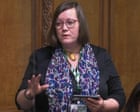
Cross-Party Warning Against Forced Parliamentary Procedure
Members of Parliament spanning both the pro and anti-assisted dying factions have issued a cautionary statement regarding the assisted dying bill parliament proceedings. The warning specifically targets the potential use of an unusual parliamentary mechanism that could circumvent standard legislative scrutiny if the bill continues to encounter resistance in the House of Lords.
The joint alarm has been raised by two prominent Labour MPs with opposing stances on the measure: Gareth Snell, who voted in support of the proposal, and Meg Hillier, who cast her ballot against it. Their coordinated message underscores the gravity they perceive in the situation, demonstrating that concerns about procedural integrity transcend the traditional divide on this sensitive policy question.
The Stakes of Parliamentary Procedure in Contentious Legislation
The debate surrounding the assisted dying bill parliament has intensified as lawmakers grapple with balancing democratic process against the pressure to reach decisive outcomes. Using extraordinary parliamentary procedures to navigate around sustained Lords opposition represents precisely the kind of constitutional risk that experienced legislators fear could damage public confidence in democratic institutions.
Snell and Hillier's intervention comes at a particularly critical juncture, with the next parliamentary vote scheduled for Friday. Their message to colleagues emphasizes that regardless of personal views on assisted dying itself, the method by which legislation advances matters significantly. The pair have composed a formal letter distributed among MPs, urging restraint and respect for established parliamentary procedures.
Lords Scrutiny Procedure and Its Constitutional Role
The House of Lords serves a fundamental constitutional function through its scrutiny role. Proponents of allowing Lords scrutiny procedure to operate fully argue that the upper chamber provides essential review of major bills, particularly on matters of significant public and ethical importance. An assisted dying bill undoubtedly qualifies as serious legislation warranting comprehensive examination across multiple parliamentary stages.
The concern articulated by cross-party MPs reflects a broader principle: that forcing controversial measures through Parliament via procedural shortcuts, regardless of the substantive merits of the bill itself, undermines the legislative process. Even those who support parliamentary procedure assisted dying reforms on policy grounds may harbor reservations about the mechanisms employed to achieve them.
Why This Issue Transcends Traditional Party Lines
What renders Snell and Hillier's joint appeal particularly noteworthy is its transcendence of conventional party politics. Both are Labour members, yet they approached this matter from opposite substantive positions. This suggests that concern about parliamentary process has achieved rare cross-factional consensus among those tracking the situation closely.
The willingness of a bill supporter and a bill opponent to collaborate on procedural cautions demonstrates recognition that Commons assisted dying vote outcomes achieved through extraordinary means might ultimately prove counterproductive, even for those whose position prevails. Legislative victories achieved via procedural force often generate lasting resentment and undermine future cooperation on subsequent matters.
The Role of Experienced Legislators in Restraining Procedural Excess
Senior MPs like Snell and Hillier bring decades of parliamentary experience to their assessment of appropriate procedure. Their warning reflects understanding that while majorities possess technical capacity to deploy unusual procedures, wisdom sometimes dictates restraint. The assisted dying bill parliament debate demonstrates how procedural tools, once deployed, establish precedents affecting governance far beyond the immediate issue.
The letter circulating among colleagues emphasizes that Lords rejection does not necessarily indicate constitutional crisis requiring extraordinary remedy. Instead, it represents the upper chamber performing its designated function within the established constitutional framework. Patience and persistence through normal processes, though more time-consuming, preserve institutional integrity.
Implications for Future Parliamentary Governance
The intervention by MPs opposed in substance but united in principle carries implications extending far beyond this particular bill. If Parliament becomes characterized by routine deployment of extraordinary procedures to overcome deliberative obstacles, the long-term consequences for legislative quality could prove substantial. The cautionary message represents an attempt to preserve parliamentary norms before crisis response becomes normalized.
As Westminster faces increasingly contentious policy questions, the institutional guardrails that MPs like Snell and Hillier are urging colleagues to respect become ever more valuable. Their cross-party collaboration on this procedural matter suggests recognition that democratic health depends upon restraint and mutual respect for institutional processes, even when substantive disagreements run deep regarding matters like the assisted dying bill parliament.