Mondelez Maintains Operations in Russia Despite Ukraine Conflict
Mondelez CEO Dirk Van de Put defends the decision to continue operations in Russia. Discover why the chocolate giant remains amid the Ukraine war and geopolitical tensions.
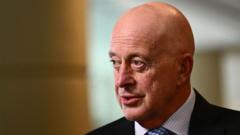
Mondelez Maintains Controversial Presence in Russia
Mondelez, the multinational confectionery corporation that owns iconic brands including Cadbury, has made headlines by defending its decision to sustain operations in Russia following the invasion of Ukraine. The company's leadership has publicly articulated their rationale for maintaining a presence in the Russian market, citing the importance of continued operations as a strategic and ethical choice during an unprecedented geopolitical crisis.
CEO's Justification for Business Continuity
Dirk Van de Put, Chief Executive Officer of Mondelez, has characterized the company's decision to remain operational in Russia as the "right decision" for multiple stakeholders. Van de Put's statement reflects the company's perspective that withdrawing entirely from the market would create additional complications rather than contributing meaningfully to the resolution of the Ukraine conflict. The CEO's position highlights the complex considerations that multinational corporations face when navigating geopolitical tensions and international pressure.
Strategic Rationale Behind the Decision
Mondelez's continued engagement in Russia represents a calculated business decision rooted in several practical considerations. The company has emphasized that maintaining operations allows it to preserve employment for thousands of Russian workers, sustain supply chains, and provide essential consumer products to the local population. This approach reflects a broader corporate philosophy that emphasizes economic stability and community welfare alongside ethical governance concerns.
The confectionery giant's position diverges from numerous other Western corporations that opted for complete market withdrawal or operational suspension following the Ukraine invasion. Mondelez's differentiated strategy has garnered both support from business analysts and criticism from humanitarian advocates who argue that corporate presence in Russia indirectly supports the Russian economy.
International Response and Criticism
The decision by Mondelez to maintain Russia operations has attracted considerable international scrutiny. Consumer advocacy groups and policymakers across Europe and North America have questioned whether corporate presence in Russia during wartime constitutes indirect support for the conflict. Meanwhile, business leaders argue that economic withdrawal creates broader societal harm and eliminates Western corporate influence within the Russian market.
Balancing Corporate Responsibility and Geopolitical Pressure
Mondelez's approach reflects the broader tension that multinational corporations face when balancing corporate responsibility with geopolitical realities. The company has attempted to walk a middle path by maintaining operations while implementing various compliance measures and demonstrating commitment to humanitarian principles. This strategy attempts to satisfy diverse stakeholder expectations, including shareholders, employees, consumers, and political entities.
Van de Put has emphasized that the company continues to monitor the situation closely and adjusts its strategies in accordance with regulatory requirements and international sanctions frameworks. Mondelez's commitment to maintaining ethical standards while sustaining business operations demonstrates the nuanced decision-making processes that define modern multinational corporate governance.
Implications for Future Corporate Decision-Making
The Mondelez case study has become a significant reference point in discussions about corporate responsibility during international conflicts. The company's defense of its Russia operations offers insights into how multinational corporations navigate complex situations where complete withdrawal might seem ethically justified but practically complicated. Moving forward, Mondelez's experience will likely influence how other major corporations approach similar geopolitical challenges.
The chocolate and confectionery industry leader continues to face ongoing dialogue with stakeholders regarding its Russia strategy, reflecting the evolving nature of corporate accountability in an increasingly interconnected global economy.