Japanese Authorities Investigate Ice Cream Giants for Price-Fixing Schemes
Japan's Fair Trade Commission raids major ice cream manufacturers over suspected price-fixing. Probe intensifies amid record summer heat affecting consumer demand.
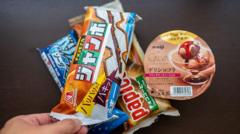
Japan's Ice Cream Price-Fixing Investigation Intensifies
Regulatory authorities in Japan have launched a comprehensive investigation into suspected ice cream price-fixing activities involving several major manufacturers operating across the country. The ice cream price-fixing inquiry represents a significant enforcement action by Japan's competition oversight bodies, targeting what officials believe may constitute illegal cartel behavior in the frozen dessert market.
The timing of this investigation proves particularly notable, as the nation currently experiences exceptionally high summer temperatures that typically drive substantial increases in ice cream consumption among consumers nationwide.
Details of the Regulatory Action
Japan's Fair Trade Commission has initiated formal raids on the facilities of prominent ice cream manufacturers suspected of engaging in coordinated pricing practices. These enforcement operations represent the most aggressive regulatory response in recent years against suspected collusive behavior within the frozen dairy sector.
Officials conducting the investigation have gathered extensive documentation and data from company headquarters to determine whether competitors unlawfully coordinated pricing strategies rather than competing independently. The alleged ice cream price-fixing scheme reportedly involved agreements to maintain elevated price points across retail channels.
Climate Conditions Fuel Market Demand
The investigation's timing coincides with Japan's record-breaking summer temperatures, which meteorologists describe as unprecedented in recent decades. Such extreme heat conditions naturally stimulate consumer demand for frozen treats, potentially amplifying the impact of any pricing manipulation on household budgets during vulnerable periods.
Market analysts note that ice cream sales typically spike significantly during hot weather months, making pricing conduct particularly consequential for ordinary families seeking relief from extreme heat. The combination of high temperatures and suspected cartel practices has drawn public attention to consumption patterns and price transparency in the ice cream industry.
Implications for Competition and Consumers
The crackdown on suspected cartel activity within the ice cream sector demonstrates Japan's commitment to enforcing antitrust regulations and protecting consumer interests. Competition authorities have indicated that maintaining fair pricing practices remains essential to ensuring market integrity and preventing companies from exploiting weather-driven demand surges.
Consumers purchasing ice cream products may have paid artificially inflated prices if manufacturers did indeed engage in coordinated pricing strategies. The investigation seeks to identify the full scope of any alleged conspiracies and impose appropriate penalties on violators.
Legal Framework and Enforcement
Japan's antitrust laws strictly prohibit cartels and price-fixing arrangements that restrict fair competition between businesses. Companies found guilty of participating in ice cream price-fixing conspiracies face substantial financial penalties, potential criminal charges against executives, and reputational damage.
The enforcement action underscores regulatory agencies' determination to identify and prosecute anticompetitive conduct across various consumer product sectors, particularly those affecting essential goods or services relied upon by large population segments.
Market Context and Industry Response
Ice cream manufacturers operate within a highly competitive market landscape where brand differentiation and consumer loyalty drive business success. Allegations of coordinated pricing undermine competitive dynamics and raise questions about pricing transparency across the industry.
Industry representatives have expressed their commitment to complying with all applicable competition laws while continuing to serve consumer demand responsibly during peak seasonal periods. The investigation continues as authorities examine evidence and conduct interviews with company personnel.