Middle East Shipping Crisis: Oil Tankers Face Worst Threat Since Iran Conflict
Oil tankers in the Middle East confront unprecedented risks following recent attacks on shipping routes, marking the most severe threat since the Iran conflict began, according to industry experts.
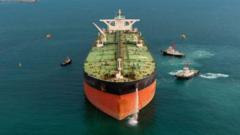
Escalating Maritime Dangers in the Middle East Region
The waters surrounding the Middle East have become increasingly perilous for oil tankers operating in the region, with current conditions representing the most formidable challenge encountered since the inception of the Iran conflict, according to multiple industry analysts and maritime security experts. Commercial vessels transporting petroleum products are now navigating through a landscape fraught with danger, as alternative shipping routes continue to experience coordinated assaults that threaten global energy supplies and international commerce.
The mounting pressure on oil tankers reflects a broader pattern of destabilization affecting critical maritime corridors that serve as vital conduits for global energy distribution. Shipping companies and insurance providers have voiced serious concerns regarding the operational viability of these essential trade routes, which handle millions of barrels of crude oil and refined petroleum products daily.
Complex Operational Environment for Commercial Vessels
Recent incidents targeting commercial shipping infrastructure have fundamentally altered the risk calculus for vessel operators and logistics providers. The situation facing oil tankers has grown substantially more complicated, with multiple stakeholders grappling with questions about route optimization, crew safety, and cargo protection in an environment characterized by unpredictable threats.
Analysts emphasize that the current crisis extends beyond isolated incidents. Instead, they point to a deliberate campaign targeting alternative shipping pathways that operators have established to avoid the most contested areas. These diversified routes were intended to provide safer passage, yet they have themselves become targets of hostile action, creating a strategic quandary for the maritime industry.
Impact on Global Energy Markets and Trade Corridors
The vulnerability of oil tankers operating in Middle Eastern waters carries significant implications for worldwide energy security. Insurance premiums for vessels transporting cargo through these regions have surged dramatically, reflecting the heightened risk profile. Shipping companies face mounting costs associated with enhanced security measures, including armed escorts, surveillance systems, and route modifications designed to minimize exposure to known danger zones.
The alternative shipping routes that were developed to circumvent traditional chokepoints have paradoxically become focal points for hostile activities. This development has forced maritime operators to reconsider their strategic approach to Middle Eastern commerce, weighing the comparative risks of various passages and the associated financial burdens of enhanced protective measures.
Security Assessments and Industry Response
Maritime security professionals have intensified their monitoring of shipping activities throughout the region, implementing advanced tracking technologies and communication protocols to provide real-time intelligence to vessel operators. The response from the international maritime community reflects the severity of the threat posed to oil tankers and commercial shipping infrastructure.
Vessel operators have implemented comprehensive protocols designed to enhance crew preparedness and cargo security. These measures include modified sailing schedules, course adjustments, and coordination with military assets from various nations committed to maintaining freedom of navigation in international waters. The coordination represents an unprecedented effort to stabilize conditions affecting commercial maritime activities in the region.
Comparative Analysis with Previous Iran-Related Conflicts
When comparing the current situation to previous episodes of regional instability, analysts note that the contemporary threat environment presents distinctive challenges. While earlier confrontations focused on specific geographic areas, present-day risks are more diffuse and unpredictable, affecting broader expanses of maritime territory and creating complications for alternative route strategies.
The unpredictability factor introduces additional complexity for risk assessment and operational planning. Oil tankers face not only traditional maritime hazards but also the prospect of coordinated action against their intended passage routes. This multifaceted threat environment has prompted increased engagement between shipping industry representatives and governmental authorities responsible for maritime security and international relations.
Forward-Looking Perspectives and Market Implications
Looking ahead, analysts anticipate continued pressure on maritime commerce in the region unless conditions stabilize through diplomatic or security interventions. The situation affecting oil tankers will likely remain a focal point for energy markets, given the critical importance of Middle Eastern petroleum exports to global economic stability. Industry stakeholders emphasize the necessity for sustained international attention to maritime security challenges and the potential consequences of prolonged disruptions to shipping operations in this strategically vital region.