Labour Secures Decisive Greater Manchester Mayoral Victory
Labour achieves commanding win in Greater Manchester mayoral byelection. Bev Craig succeeds Andy Burnham, reclaiming support from Reform UK and Greens.
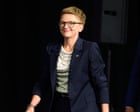
Labour Achieves Commanding Win in Greater Manchester Mayoral Byelection
The Greater Manchester mayoral byelection has delivered a resounding triumph for Labour, demonstrating the party's capacity to reclaim political ground lost in recent months. The decisive electoral outcome represents a significant political statement in one of England's most important metropolitan areas, reversing earlier setbacks and establishing a renewed mandate for continued governance at the regional level.
Bev Craig Emerges as Victor and New Regional Leader
Bev Craig, the respected Manchester city council leader, has emerged victorious from the competitive contest. Her election marks a pivotal moment in regional politics, as she assumes responsibility for one of the most consequential political positions operating outside the Westminster Parliament. This appointment elevates Craig to helm a major metropolitan authority, placing her among the country's most influential local leaders with substantial budgetary and policy-making responsibilities.
Succession of Andy Burnham and Institutional Continuity
Craig's victory ensures the smooth succession of Andy Burnham in the Greater Manchester mayor role. The transition represents continuity of Labour's political stewardship across the region, maintaining party control over critical functions including transport coordination, economic development initiatives, and regional strategic planning. Burnham's departure from the position creates space for fresh leadership while preserving the institutional frameworks and policy directions established during his tenure.
Recovery from Recent Electoral Setbacks
The Greater Manchester mayoral byelection result carries particular significance given Labour's struggles in the May electoral period. The party had experienced notable reversals in specific constituencies, where both Reform UK and the Green Party successfully captured voter support. Craig's commanding victory indicates Labour's ability to reconstruct electoral coalitions and address the concerns that temporarily drove voters toward alternative political options. The recovery demonstrates the party's organizational capacity to mobilize supporters and rebuild confidence among constituencies where momentum had shifted.
Strategic Gains and Geographic Recovery
Particularly noteworthy is Labour's successful reclamation of areas where Reform UK had established electoral footholds during the May elections. These geographic victories suggest that Labour has effectively countered the populist messaging and policy proposals that initially attracted voters to Reform candidates. The party's renewed appeal across these localities indicates successful messaging on economic priorities, public services, and regional investment strategies that resonated with voters reconsidering their earlier electoral choices. Additionally, Labour has consolidated support in regions where the Greens had registered electoral gains, suggesting a broader realignment of centrist and progressive voter coalitions behind the Labour standard.
Implications for Regional Governance and Policy Direction
The Greater Manchester mayoral byelection outcome carries implications extending beyond immediate electoral arithmetic. The decisive nature of Craig's victory provides a clear mandate for policy implementation across the sprawling metropolitan region encompassing millions of residents. As the newly elected leader, Craig will oversee critical portfolios including public transportation systems, regional economic planning, social care coordination, and environmental sustainability initiatives. Her election provides the political capital necessary for advancing ambitious regional agendas and maintaining Labour's predominant influence over governance decisions affecting Greater Manchester's future trajectory.
Broader Political Context and National Significance
The Greater Manchester mayoral byelection occurs within a broader political environment where national electoral dynamics continue to reshape regional political alignments. Labour's commanding performance suggests that the party has successfully arrested the momentum that Reform UK and other alternative parties achieved during spring electoral cycles. The victory demonstrates that regional voters remain responsive to Labour messaging and that the party's organizational infrastructure retains capacity to mobilize electorates effectively. For the wider political landscape, the outcome provides encouragement to Labour strategists while presenting challenges to Reform UK's ambitions for continued electoral expansion.
Bev Craig's Profile and Leadership Qualifications
Bev Craig brings substantial local government experience to her new role as Greater Manchester mayor. Her position as Manchester city council leader has provided executive experience with complex institutional management, stakeholder relations, and policy coordination across urban political systems. This background positions her effectively to navigate the sophisticated governance requirements of leading a major metropolitan authority responsible for delivering services and strategic direction across multiple local jurisdictions within the broader Greater Manchester framework.