Kushner Holds Historic Gaza Talks With Hamas Chief in Diplomatic Push
Trump's envoy Jared Kushner meets Hamas leadership to advance Gaza peace initiative following Israel's rejection of the administration's proposal.
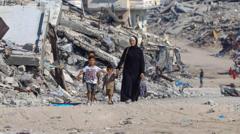
Trump Envoy Conducts Unprecedented Gaza Peace Negotiations
In a significant diplomatic development, Jared Kushner, the special envoy representing the Trump administration, has engaged in direct discussions with senior Hamas officials regarding a comprehensive Gaza peace plan. This extraordinary engagement marks a critical moment in efforts to broker resolution in one of the Middle East's most protracted conflicts, as international stakeholders intensify pressure for a sustainable settlement.
Context Behind the Gaza Peace Plan Initiative
The Gaza peace plan proposed by the Trump administration emerged as part of broader efforts to address longstanding tensions and humanitarian concerns in the Gaza Strip. The initiative aims to establish frameworks for coexistence and economic development while addressing security concerns of all parties involved. Kushner's involvement in these negotiations underscores the administration's commitment to pursuing diplomatic channels despite previous setbacks.
Israel's Response to the Proposed Framework
Just seven days before Kushner's meeting with Hamas leadership, the Israeli government formally rejected key components of the Gaza peace plan presented by the Trump administration. Israeli officials cited security concerns and demands for modifications to several provisions within the proposed agreement. This rejection created significant challenges for diplomatic momentum but did not deter further diplomatic engagement efforts.
Significance of Direct Engagement
Meetings between American diplomatic representatives and Hamas officials remain extraordinarily rare within international relations. The decision to pursue direct talks represents a notable shift in diplomatic strategy, acknowledging the organization's role as a major political and military force within Palestinian territories. Such engagement, while controversial in certain quarters, reflects pragmatic recognition of on-the-ground realities in Gaza.
Peace Negotiations and Regional Dynamics
The Gaza peace plan encompasses multiple dimensions, including humanitarian access, economic reconstruction, and security arrangements that satisfy concerns across different parties. Kushner's role as senior advisor and special envoy has positioned him as a key figure in administration Middle East policy since entering the White House.
Diplomatic Hurdles and Path Forward
Previous attempts at Gaza peace negotiations have encountered substantial obstacles, including disagreement over border control, resource management, and recognition of political entities. The current initiative must navigate these established fault lines while building consensus among stakeholders with divergent interests and security priorities.
International Pressure and Humanitarian Concerns
Global attention focuses intensely on Gaza negotiations due to humanitarian conditions affecting civilian populations. The United Nations and various international organizations have emphasized urgency for solutions that protect civilian welfare while addressing legitimate security concerns. These humanitarian dimensions add complexity to the Gaza peace plan discussions.
Looking Toward Resolution
Kushner's continued engagement with Hamas leadership suggests determination to advance negotiations despite initial rejection by Israeli authorities. The success of the Gaza peace plan ultimately depends on willingness from all parties to compromise and move beyond established positions. Whether these latest talks generate momentum toward substantive progress remains uncertain, but the diplomatic engagement itself represents important effort toward resolution.