Iran Threatens Strait of Hormuz Closure After Israel's Lebanon Operations
Iran warns of potential Strait of Hormuz closure following Israel's military actions in Lebanon, citing violations of US ceasefire agreements. Key developments and international response.
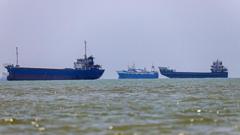
Iran's Strategic Warning Over Strait of Hormuz
The Islamic Republic of Iran has escalated its rhetoric by threatening significant action regarding the Strait of Hormuz closure, responding to what Tehran characterizes as ongoing Israeli military operations in Lebanese territory. This dramatic statement represents a critical moment in Middle East geopolitics, with potential ramifications for global energy markets and regional stability. The Strait of Hormuz closure threat emerges from Iran's assertion that Israel's actions fundamentally violate the framework of diplomatic understanding previously negotiated with the United States.
Alleged Violation of US-Iran Understanding
According to Iranian officials, Israel's sustained military campaign in Lebanon constitutes a direct breach of an agreement reached between Tehran and Washington aimed at achieving lasting peace in the region. The Iranian government contends that this accord represented a carefully negotiated understanding to terminate hostilities and establish a new chapter of de-escalation. By persisting with operations across the Lebanese border, Israeli forces are said to undermine the foundations of this diplomatic arrangement, prompting Tehran to consider retaliatory measures of significant strategic importance.
Strategic Importance of the Strait
The Strait of Hormuz serves as one of the world's most critical maritime chokepoints, through which approximately one-fifth of global petroleum trade flows annually. Control over this waterway grants Iran considerable leverage in international affairs, making any credible threat regarding its closure a matter of serious concern for energy markets, shipping companies, and major oil-consuming nations worldwide. The potential disruption of maritime traffic through these waters could trigger substantial economic consequences extending far beyond the immediate conflict zone.
Context of Israeli Operations in Lebanon
Israel's military activities in Lebanon form part of a broader pattern of cross-border operations aimed at targeting what the Israeli government identifies as militant infrastructure and threats emanating from Lebanese territory. These operations have drawn international attention and condemnation from various quarters, with particular concern raised by regional actors opposed to Israeli military expansion. The Lebanese government has expressed alarm over the incursions, while humanitarian organizations have documented civilian impact from the ongoing military activity.
Iran's Regional Influence and Response
As a major regional power, Iran maintains significant strategic interests throughout the Middle East and views developments in Lebanon through the lens of broader geopolitical competition. The Iranian response to Israeli operations reflects not merely tactical concerns but fundamental questions about regional power dynamics and Tehran's ability to defend its interests and those of its allies. The threat of Strait of Hormuz closure represents one of the most potent tools available to Iran for projecting power and influencing international responses to Middle Eastern developments.
Diplomatic Implications and International Reaction
The Iranian warning has prompted careful analysis from international observers, policymakers, and energy market analysts who recognize the potential severity of any actual closure of the Strait. The United States, European nations, and other stakeholders in global energy security have expressed concern over escalating rhetoric that could destabilize markets and increase geopolitical tensions. Diplomatic channels remain active as various parties attempt to manage the crisis and prevent further deterioration of the security situation.
Economic and Energy Market Considerations
Global oil markets have reacted with sensitivity to Iran's statements regarding Strait of Hormuz closure, as traders assess the probability and potential duration of any disruption to petroleum supplies. Energy prices remain vulnerable to geopolitical developments in the Persian Gulf region, with any credible threat to maritime shipping routes triggering immediate market reactions. Insurance companies, shipping firms, and energy producers are all monitoring developments closely to assess potential impacts on their operations and financial exposure.
Ongoing Negotiations and Diplomatic Efforts
Despite escalating rhetoric, various international actors continue working behind the scenes to maintain communication channels and pursue diplomatic solutions. The complexity of the situation, involving multiple regional and international parties with competing interests, requires sustained engagement from experienced diplomatic professionals. The success or failure of these efforts may ultimately determine whether the situation stabilizes or continues deteriorating toward more serious confrontation.