Infantino Faces Ultimatum: Opponents Demand FIFA Leadership Change
FIFA president Infantino opponents threaten non-cooperation unless he resigns. Senior UEFA sources reveal escalating tensions over his leadership amid growing pressure.
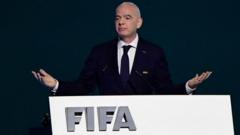
Infantino Resignation Pressure Intensifies
Critics of FIFA president Gianni Infantino are escalating their campaign by threatening to withdraw cooperation with the international football governing body, demanding his immediate resignation. According to high-ranking officials within UEFA, the ultimatum represents a significant escalation in the ongoing conflict surrounding Infantino's tenure and raises serious questions about the future direction of world football administration.
The coordinated stance from Infantino's opponents signals a dramatic shift in the internal power dynamics of FIFA and reflects deepening dissatisfaction among influential member confederations. The threat of non-cooperation could have far-reaching implications for FIFA's operational capacity and its ability to coordinate international football activities if the dispute remains unresolved.
UEFA Sources Confirm Escalating Tensions
Senior officials from the Union of European Football Associations have made clear that the resistance to Infantino's continued leadership has moved beyond private discussions. These insider communications reveal the extent of organizational frustration with current administrative practices and strategic decisions implemented during his presidency.
The sources emphasize that this is not merely a symbolic protest but a substantive challenge to Infantino's authority. Multiple confederations have reportedly aligned their positions, indicating that this opposition represents more than isolated dissent from individual member nations or regional bodies.
Implications for FIFA Operations
Should member federations implement their threatened withdrawal of cooperation, FIFA's capacity to execute its core functions could face significant obstacles. Key initiatives including tournament organization, regulatory enforcement, and international match coordination could potentially be affected by such non-cooperation measures.
The governing body's infrastructure depends on continuous collaboration between its central administration and member confederations worldwide. A sustained campaign of reduced cooperation could force a constitutional reckoning regarding Infantino's position and future electoral prospects within the organization.
Historical Context of FIFA Leadership Disputes
This confrontation follows a pattern of internal FIFA struggles that have periodically disrupted the organization's operations. Previous leadership crises have demonstrated that significant member resistance can ultimately force administrative changes, though the process typically involves prolonged negotiations and institutional pressure.
The current situation appears more organized than typical factional disputes, with multiple confederations apparently coordinating their approach. This unified opposition suggests deeper structural concerns about governance, financial transparency, or strategic direction under Infantino's administration.
Ongoing Developments and Uncertain Resolution
As this standoff develops, the football world watches carefully to determine whether Infantino will address the underlying grievances prompting this ultimatum or whether he will attempt to consolidate his position against organized opposition. The outcome of this confrontation will likely shape FIFA's institutional governance for years to come and could influence broader discussions about administrative accountability in international sports organizations.
The threat of systematic non-cooperation represents one of the most serious challenges to Infantino's presidency to date, suggesting that reform advocates view his resignation as necessary for restoring confidence in FIFA's leadership and operations worldwide.