Helicopter Strike Targets Ship Attempting Iran Blockade
US Central Command confirms helicopter missile strike on Panama-flagged cargo vessel in Gulf of Oman. Learn details about the military operation and blockade enforcement.
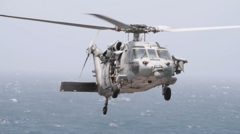
Helicopter Strike Disables Cargo Vessel in Strategic Waters
A helicopter missile strike has successfully targeted a Panama-flagged cargo vessel operating in the Gulf of Oman, according to statements from United States Central Command. The military operation focused on the engine room of the ship, which was allegedly attempting to circumvent established sanctions and blockade measures against Iran.
The helicopter missile strike represents a significant escalation in maritime enforcement operations within the region. Military officials confirmed that the vessel's propulsion system sustained direct damage during the operation, effectively disabling the ship's ability to continue its voyage. This tactical approach allowed forces to halt the vessel without causing catastrophic damage to the hull or creating environmental hazards in the strategic waterway.
Context of Regional Maritime Operations
The Gulf of Oman has become an increasingly contested area for maritime commerce and military activities. The helicopter missile strike occurred as part of broader efforts to enforce restrictions on commerce related to Iran. The Panama-flagged vessel in question was reportedly carrying goods intended to breach existing blockade measures.
Analysts suggest that the helicopter missile strike demonstrates a willingness by coalition forces to actively intercept vessels deemed to be violating sanctions protocols. The operation in the Gulf of Oman follows a pattern of increased scrutiny on cargo ships transiting through critical chokepoints in the region.
Ship Identification and Operational Details
The targeted cargo vessel operates under Panama's maritime flag, a common registry for international commercial shipping. Intelligence assessments indicated that the helicopter missile strike target was engaged in activities supporting entities subject to international sanctions. The precise nature of the cargo and its final destination remained part of ongoing military investigations.
US Central Command provided confirmation of the helicopter missile strike through official channels, noting that trained personnel executed the operation with precision. The engine room damage sustained during the strike rendered the vessel immobile, allowing for subsequent boarding and inspection procedures by naval personnel.
Strategic Implications and Future Operations
This incident demonstrates the commitment of international naval forces to maintain oversight of maritime traffic in sensitive regions. The helicopter missile strike highlights technological capabilities deployed for sanctions enforcement and regional stability. Military strategists anticipate that such operations may continue as part of sustained pressure on prohibited commerce networks.
The Gulf of Oman remains a critical transit corridor for global energy supplies and international commerce. The helicopter missile strike sends a clear message regarding enforcement priorities and the consequences of attempting to violate established maritime restrictions.
Response and International Reaction
The operation conducted by US Central Command generated significant attention within maritime and diplomatic circles. International shipping organizations acknowledged the importance of clear enforcement mechanisms for regional security protocols. The helicopter missile strike, while targeted and controlled, underscores the serious nature of maritime compliance expectations.
Shipping companies operating in the Gulf of Oman have been advised to maintain strict adherence to international sanctions regulations and avoid vessels engaged in prohibited commerce. The helicopter missile strike serves as a practical demonstration of monitoring capabilities and operational readiness in the region.