Heatwave Produces Unusual Vegetables Worth Eating
Discover why British heatwaves are creating sun-tanned cauliflowers and irregular potatoes. Learn about the nutritional benefits of unusual vegetables from extreme weather conditions.
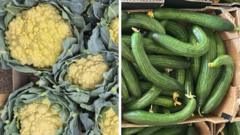
Understanding Heatwave Vegetables in Modern Britain
Heatwave vegetables are becoming increasingly common across British supermarkets as prolonged periods of extreme heat reshape agricultural production. These sun-tanned cauliflowers and irregularly shaped potatoes represent a significant shift in what consumers will encounter during their regular shopping trips, driven by climatic pressures that continue to affect farming practices nationwide.
The Rise of Unusual Produce
British farmers are reporting that repeated heatwaves create distinctive characteristics in vegetables that would normally develop under conventional growing conditions. The transformation affects not just appearance but also texture and flavor profiles. Cauliflower heads exposed to intense solar radiation develop darker pigmentation, creating the distinctive sun-tanned appearance that distinguishes them from traditionally pale varieties. Potatoes grown under heat stress develop knobbled surfaces and irregular shapes that challenge conventional grading standards.
Why Wonky Vegetables Appear
The formation of unusual vegetables stems from how plants respond to environmental stress. When soil temperatures exceed optimal ranges, root vegetables struggle to develop uniformly. Water availability becomes inconsistent, causing some sections of produce to expand differently than others. Cauliflower curds receive uneven light exposure, resulting in blotchy coloration and surface irregularities. These physical changes represent the plant's adaptation mechanism rather than indicators of inferior quality or nutritional value.
Nutritional Benefits of Heat-Stressed Produce
Contrary to assumptions that unusual vegetables possess diminished nutritional content, research demonstrates that heat-stressed crops often develop enhanced phytonutrient profiles. When plants face environmental challenges, they increase production of protective compounds including antioxidants and polyphenols. These biochemical responses can actually boost the nutritional density of vegetables compared to those grown under ideal conditions. Sun-tanned varieties may contain elevated levels of certain beneficial compounds due to increased UV exposure triggering defensive mechanisms within the plant.
Consumer Acceptance and Market Trends
Retailers and farmers observe growing consumer acceptance of heatwave vegetables as sustainability consciousness increases. Shoppers increasingly recognize that rejecting cosmetically imperfect produce contributes to food waste without genuine justification. Many consumers now actively seek wonky vegetables, understanding that appearance bears no correlation to taste, texture, or nutritional value. This shifting perception supports agricultural sustainability by allowing farmers to market produce that would previously have been rejected.
Future Agricultural Challenges
The prevalence of heatwave vegetables signals broader agricultural transformation tied to climate change patterns. British farmers face the reality that conventional cultivation methods may require significant adaptation. Breeding programs increasingly focus on developing vegetable varieties with enhanced heat tolerance and improved performance under stress conditions. Investment in irrigation infrastructure and soil management techniques becomes essential for maintaining productivity during extended dry periods.
Practical Guidance for Consumers
Shoppers encountering sun-tanned cauliflowers and knobbly spuds should feel confident in their nutritional equivalence to standard varieties. Taste tests consistently demonstrate that unusual vegetables deliver comparable flavor experiences, with some consumers reporting enhanced sweetness in heat-stressed specimens. Storage methods remain unchanged, and preparation techniques require no modification. Embracing these vegetables supports local farmers while reducing unnecessary food waste throughout supply chains.
The Broader Climate Narrative
The emergence of distinctive heatwave vegetables represents a visible manifestation of climate impacts on food production systems. While individual consumers cannot reverse macroclimatic trends, purchasing decisions supporting farmers adapting to these conditions contribute to broader sustainability objectives. The normalization of wonky vegetables demonstrates how agricultural sectors can adjust to environmental pressures through innovation and consumer education, creating resilience within food systems facing unprecedented challenges.