Green Party Leader Says Victory Not Essential for Position
Zack Polanski, Green Party leader, states his authority doesn't depend on winning the Holborn and St Pancras byelection against Labour.
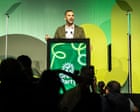
Green Party Leader's Statement on Electoral Stakes
Zack Polanski, leader of the Green Party of England and Wales, has made clear that his continued leadership does not hinge on the outcome of the forthcoming Holborn and St Pancras byelection. The Green Party leader's position on this matter comes as observers scrutinize whether the party's momentum may be reaching its zenith following recent electoral successes.
In an exclusive interview, Polanski characterized the upcoming contest as exceptionally competitive, describing it as "probably 50/50 right now" and "really on a knife edge." Despite the uncertainty surrounding the race, the Green Party leader emphasized that his authority as leader remains secure regardless of electoral performance in this particular seat.
The Holborn and St Pancras Byelection Context
The byelection in Holborn and St Pancras, the former constituency of Keir Starmer, represents a significant battleground between the Greens and Labour. Polanski's candidacy in this affluent London seat demonstrates the party's ambitions to expand its parliamentary representation beyond its current single MP.
The vacancy emerged from Starmer's transition from constituency politics to his role as Labour Party leader. This shift has created an unexpected opportunity for opposition parties, including the Greens, to contest what was previously considered a safe Labour seat. The byelection serves as a barometer of shifting voter preferences and party fortunes.
Understanding the Political Landscape
Recent polling and electoral patterns suggest that Green Party support has experienced notable fluctuations. While the party achieved historical breakthrough moments in recent election cycles, questions persist about whether this represents sustainable growth or temporary enthusiasm. Polanski's comments regarding the byelection reflect awareness of these broader political uncertainties.
The characterization of the race as "knife-edge" underscores the genuinely competitive nature of the contest. Neither Labour nor the Greens can take victory for granted in an environment where voter allegiances have become increasingly volatile. The result will provide valuable insights into electoral dynamics within urban constituencies where Green support has traditionally shown strength.
Leadership Stability and Party Direction
Polanski's assertion that the Green Party leader position does not depend on byelection victory suggests confidence in his mandate and broader support within the party. This statement indicates that party members and leadership structures have conveyed confidence in his direction, irrespective of individual electoral contests.
The decision to publicly declare this decoupling of electoral outcome from leadership viability represents a strategic communication choice. By establishing this separation, the Green Party leader positions himself as committed to long-term party building rather than short-term electoral victories. This approach may resonate with party activists who view byelection results as secondary to fundamental organizational development.
Broader Implications for Green Party Strategy
The Green Party of England and Wales faces the perpetual challenge of translating popular support into parliamentary seats under Britain's first-past-the-post electoral system. Despite opinion polling occasionally showing double-digit support, the party's representation has historically lagged significantly behind these figures due to vote distribution across constituencies.
Polanski's leadership has emphasized building local strength in specific constituencies where the party can develop competitive campaigns. This ground-level strategy contrasts with previous approaches that relied more heavily on national messaging. The Holborn and St Pancras campaign exemplifies this localized, targeted methodology.
What Lies Ahead
As the byelection approaches, the Green Party leader will navigate the tension between genuinely competitive local campaigning and realistic assessments of victory probabilities. Whatever the outcome, Polanski's pre-election positioning ensures that his leadership narrative remains distinct from singular electoral results.
The broader political landscape continues to evolve, with voter sentiment remaining unpredictable and malleable. The forthcoming Holborn and St Pancras byelection will contribute one data point to the larger question of whether the Green Party can transform episodic support surges into sustained parliamentary presence.