Goodwin Eyes Partial Sale of Defence Business Unit
Goodwin considers divesting part of its defence operations amid market shifts. The firm supplies critical components to UK and US naval programmes.
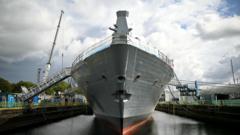
Goodwin Considers Strategic Defence Division Sale
Goodwin has launched an evaluation of a potential partial divestment of its defence business operations, marking a significant shift in the firm's strategic portfolio. The company, which maintains a prominent position in the defence sector, is examining options to separate portions of its defence-focused activities as part of broader business restructuring efforts.
As a key supplier of components to both United Kingdom and United States naval programmes, Goodwin has built extensive expertise and market presence across critical defence supply chains. The firm's involvement spans sophisticated engineering solutions for major military vessels and subsystems, positioning it as an essential partner within allied defence ecosystems.
Role in UK and US Naval Programmes
The company's operations extend to component manufacturing and supply for advanced frigate platforms operated by the Royal Navy and the United States Navy. Additionally, Goodwin serves as an established supplier for submarine programmes across both nations, providing specialized components that require precision engineering and strict compliance with military specifications.
These programmes represent substantial ongoing commitments within NATO allied defence infrastructure, requiring reliable supply chain partnerships. Goodwin's participation demonstrates the firm's technical capability to meet rigorous defence standards and long-term programme requirements.
Strategic Rationale Behind the Consideration
The potential partial sale of the defence business suggests management is evaluating optimal capital allocation and portfolio composition. Companies within defence sectors frequently undertake such reviews to determine whether maintaining all operational divisions aligns with shareholder value creation and long-term strategic objectives.
For Goodwin, such considerations may reflect broader industry dynamics, market valuation perspectives, or the desire to concentrate resources on high-growth segments. The defence business divestment exploration could enable the firm to unlock capital currently deployed within this sector for redeployment toward emerging opportunities or debt reduction.
Implications for Defence Supply Chains
Any potential transaction involving Goodwin's defence operations would carry significance for UK and US defence procurement strategies. Continuity of supply for active frigate and submarine programmes represents a strategic priority for allied military authorities. Prospective buyers of such a business division would need to demonstrate capability to maintain service levels and regulatory compliance standards demanded by government contracts.
The defence sector maintains strict oversight regarding ownership structures and security clearances, particularly for suppliers engaged with classified programmes or sensitive military applications. Any ownership transition would require appropriate approvals from relevant defence ministries and security authorities.
Market Context and Industry Trends
Defence contracting has experienced evolving market conditions in recent years, with consolidation activities occurring across the sector. Larger defence primes continue acquiring specialized component suppliers to enhance vertical integration, while some mid-sized firms explore strategic options to optimize their market positioning.
Goodwin's review aligns with industry patterns where specialized suppliers evaluate whether independence or integration with larger defence organisations better serves their interests and operational efficiency. The aerospace and defence sectors have witnessed numerous similar strategic transactions, reflecting competitive pressures and capital requirements within the industry.
Next Steps and Timeline Considerations
The company's evaluation process typically involves engaging financial advisors to assess valuation parameters and identify potential acquirers or investors. Such strategic reviews can extend over several months as comprehensive analyses are conducted regarding business performance, contractual obligations, and regulatory requirements.
Stakeholders including defence ministry contacts, commercial partners, and employees await clarity regarding the outcome of Goodwin's deliberations. The firm has not announced specific timelines or target completion dates for its evaluation process, maintaining standard practice of addressing strategic matters methodically and confidentially during preliminary assessment phases.