Glacier Collapse Triggered Catastrophic Nepal-Tibet Flooding
Scientists identify glacier collapse as the primary cause of devastating Nepal-Tibet floods, underscoring urgent climate concerns in the Himalayan region.
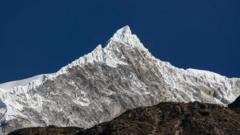
Glacier Collapse Identified as Primary Cause of Nepal-Tibet Disaster
Recent investigations by the international scientific community have established that a significant glacier collapse was the primary trigger behind the catastrophic flooding that affected the Nepal-Tibet border region. This glacier collapse represents a critical warning about the accelerating deterioration of Himalayan ice masses due to climate change and rising temperatures across the world's highest mountain range.
Understanding the Glacier Collapse Mechanism
The collapse occurred when massive sections of frozen ice that had existed for centuries suddenly gave way, releasing enormous volumes of meltwater into the river systems below. Researchers conducting field studies in the region documented evidence of the glacier collapse across multiple monitoring stations positioned throughout the affected area. The sudden rupture of the ice mass created a catastrophic release of water and debris that swept downstream with tremendous force.
Physical Evidence of the Incident
Scientists examining the aftermath discovered distinctive patterns consistent with a major glacier collapse. Rock formations, sediment deposits, and geomorphological features all indicated the violent nature of the event. Remote sensing technology, including satellite imagery and aerial surveys, provided visual confirmation of the dramatic transformation in the glacier's structure. The visible scarring on the landscape clearly showed where the ice mass had fractured and separated.
Rapid Himalayan Ice Melting Concerns
This incident underscores a broader environmental crisis affecting the entire Himalayan region. The glacier collapse is symptomatic of accelerating ice loss across high-altitude mountains worldwide. Temperature records show consistent warming trends in these critical ecosystems over the past several decades. Scientists emphasize that the rate of ice melting has significantly exceeded historical norms, creating dangerous conditions for communities living downstream.
Climate Change Impact on Mountain Systems
The accelerating glacier collapse patterns observed in recent years directly correlate with documented climate changes in the region. Rising atmospheric temperatures have penetrated high-altitude zones previously insulated from warming effects. Precipitation patterns have shifted, affecting snow accumulation and ice formation rates. Scientists project that without significant climate mitigation efforts, similar catastrophic events may become increasingly frequent across the Himalayan chain.
Implications for Regional Safety and Infrastructure
The devastating consequences of the glacier collapse extend beyond immediate environmental concerns. Communities throughout the affected region face unprecedented risks from sudden flooding events. Infrastructure including bridges, dams, and settlements built near glacier-fed rivers faces heightened vulnerability. Governments and international organizations are now prioritizing early warning systems and emergency preparedness initiatives.
Response and Future Monitoring
Scientists are implementing enhanced monitoring networks to track glacier stability across the region. Real-time data collection systems have been deployed to provide early detection of potential future collapses. International research teams are collaborating on predictive models to forecast which glacier systems face the highest risk. These proactive measures aim to provide communities with crucial warning time before potentially catastrophic events occur.
Broader Climate Crisis Implications
The glacier collapse serves as a visible manifestation of global climate disruption affecting mountain ecosystems worldwide. The Himalayan region, often called the "Third Pole," supplies fresh water to billions of people across Asia. The continued melting of these ice masses threatens water security for entire populations dependent on glacier-fed rivers. Scientists stress that addressing underlying climate change remains essential to preventing future disasters related to glacier collapse and rapid ice loss throughout the mountain system.