Funeral Director Sentenced to 20 Years for Failing to Bury Bodies
Disgraced funeral director Robert Bush receives 20-year prison sentence for failing to bury bodies and cremating remains improperly, defrauding bereaved families.
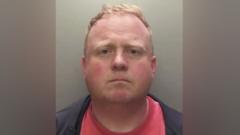
Funeral Director Receives 20-Year Prison Sentence
A funeral director has been sentenced to 20 years in prison following a shocking scandal involving the improper handling of human remains. The criminal case exposed a widespread pattern of negligence and fraud that violated the trust of grieving families seeking dignified funeral services for their deceased loved ones. This funeral director sentenced case marks one of the most serious prosecutions in the funeral industry, highlighting the critical need for oversight and accountability in establishments handling end-of-life care.
The Extent of the Misconduct
Robert Bush, the disgraced funeral home operator, was convicted of multiple offenses related to his failure to properly inter deceased individuals. Throughout his operation, Bush consistently neglected to bury bodies as families had contracted and paid for, instead leaving remains in various states of abandonment. The situation escalated when authorities discovered that Bush had also failed to cremate people according to their family wishes and specific requests.
The most egregious aspect of the funeral director sentenced case involved the distribution of human ashes to grieving relatives. Rather than returning the correct cremated remains of their loved ones, Bush provided bereaved families with the ashes of complete strangers. This reprehensible practice compounded the emotional trauma experienced by families already suffering from their losses, as they unknowingly honored and memorialized individuals they had no relation to whatsoever.
Impact on Bereaved Families
The scope of this tragedy extended to numerous families who placed their trust and financial resources into Bush's funeral establishment. Each family affected by this scandal experienced not only the natural grief of losing a loved one but also the additional psychological devastation of discovering their trust had been fundamentally betrayed. Families who believed they were honoring their deceased family members were instead handling the remains of strangers.
Investigations revealed that some bodies had been left unburied for extended periods, subjected to improper storage conditions and environmental exposure. The combination of neglect and active deception created a situation where basic human dignity was denied to the deceased and false comfort was provided to the living through fraudulent cremation remains.
Legal Proceedings and Conviction
The criminal investigation into Bush's funeral home uncovered documentary evidence of the deliberate nature of his crimes. Rather than being isolated incidents, the pattern demonstrated systematic disregard for contractual obligations and fundamental ethical standards governing the funeral industry. The twenty-year prison sentence reflects the serious nature of the offenses and the significant harm inflicted upon multiple families.
Prosecutors demonstrated during trial that Bush had knowledge of his actions and continued the deceptive practices despite understanding the profound violations he was committing. The funeral director sentenced to this substantial prison term had opportunities to correct his course but instead perpetuated the fraud, deepening the harm to grieving families.
Industry Implications and Reforms
This case serves as a critical reminder of the importance of regulatory oversight within the funeral service industry. Funeral homes handle some of the most sensitive responsibilities in society, and families must have confidence that their deceased loved ones will be treated with appropriate respect and professionalism. The failure of this funeral director sentenced case highlights gaps in existing oversight mechanisms and the necessity for enhanced inspection protocols.
Regulatory bodies and funeral industry associations have renewed focus on implementing stricter verification procedures for body burial, cremation documentation, and remains identification. Families are now encouraged to request detailed receipts and tracking information when arranging funeral services, and many jurisdictions are strengthening licensing requirements and disciplinary procedures for funeral home operators.
Conclusion
The conviction and sentencing of this funeral director represents a significant moment for accountability in the funeral services industry. The twenty-year prison sentence sends a message that systematic fraud and neglect of human remains will be prosecuted to the full extent of the law. As families continue processing the trauma inflicted by this scandal, regulatory reforms aim to prevent similar incidents from occurring and to restore confidence in funeral service providers who operate ethically and professionally.