Feral Children Deserve Space: Island Kids & Modern Parenting
Explore why feral children need freedom to grow. Island parenting reveals how adults contradict themselves about childhood independence and exploration.
The Paradox of Feral Children in Modern Society
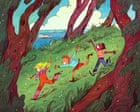
Feral children represent a growing conversation about childhood autonomy in our increasingly restrictive world. Adults frequently express concerns that young people don't occupy enough physical and social space, yet when children assert their independence and presence, society demands they remain silent and compliant. This contradiction lies at the heart of contemporary parenting debates, particularly in unique communities like those found on small islands where childhood experiences shape entirely different approaches to growing up.
Childhood Transitions on Maine's Peaks Island
On Peaks Island, a remote Maine community accessible solely by ferry approximately three miles off Portland's coast, the concept of childhood undergoes a fundamental transformation at a specific moment. Year-round residents witness how education and geography intersect to define developmental milestones in ways most mainland families never experience. The island maintains an elementary school serving younger students, yet lacks secondary educational facilities, creating an inevitable transition point that marks the boundary between sheltered island childhood and the broader world beyond.
The 7:15 AM Ferry: A Rite of Passage
When island children reach sixth grade, they embark on a significant journey—not merely geographical, but psychological and social. The 7:15 AM ferry departure becomes far more than transportation; it represents a rite of passage that countless island youth have experienced across generations. This daily commute to mainland schools introduces young people to independence earlier than many of their age peers in urban or suburban settings. They learn navigation, time management, and self-reliance through genuine necessity rather than programmed activities or structured independence-building exercises.
Why Feral Children Need Freedom to Thrive
The debate surrounding feral children often overlooks fundamental truths about human development. Children require space—both physical and psychological—to explore boundaries, test their capabilities, and develop authentic confidence. When adults simultaneously encourage independence while restricting the conditions necessary for it to flourish, young people internalize contradictory messages about their own agency and worth.
The Cost of Over-Structured Childhoods
Modern parenting culture frequently emphasizes structured activities, supervised play, and constant adult presence. While safety concerns drive these choices, the cumulative effect may actually undermine the resilience and problem-solving abilities that previous generations developed through less-monitored exploration. Feral children—those granted greater freedom to roam, create, and navigate social situations independently—often demonstrate superior adaptability and creative thinking precisely because they've encountered authentic challenges requiring genuine solutions.
Island Communities and Natural Independence
Geographic isolation like that experienced on Peaks Island creates natural laboratories for studying how childhood develops when physical constraints encourage rather than restrict autonomy. Island children cannot attend impromptu playdates across town; they must plan ahead, coordinate schedules, and commit to social engagements with intention. This inherent structure paradoxically grants them more authentic freedom within those parameters than children in densely populated areas with infinite structured options.
The Ferry Commute as Character Building
Daily ferry commutes introduce weather challenges, schedule unpredictability, and social dynamics that mainland students typically avoid. Island teenagers navigate peer relationships forged through genuine shared experience rather than algorithmic social media connections. They develop genuine patience, resilience, and community bonds that withstand the casual dissolution common in more transient populations. These attributes emerge not from parental instruction but from lived experience and authentic necessity.
Reconciling Adult Expectations With Childhood Reality
The fundamental contradiction between adult complaints and adult restrictions deserves examination. Parents and educators express genuine concern that children lack adequate engagement with the world, yet simultaneously implement policies limiting exactly that engagement. Feral children, in this context, represent not a problem requiring correction but rather a necessary response to authentic developmental needs.
Redefining Safety and Supervision
Effective parenting need not mean constant proximity or predetermined activity schedules. Safety can coexist with freedom when communities establish clear boundaries, maintain open communication, and trust young people's developing judgment. Island life demonstrates this principle practically—children commute independently, manage their time, and navigate complex social situations because the structure of island life demands it, not because parents have abandoned supervision but because supervision takes different forms.
The Broader Implications for Child Development
Research increasingly supports the developmental benefits of unstructured play, independent exploration, and age-appropriate autonomy. Feral children who experience these elements develop stronger executive function, greater creativity, and more resilient emotional responses to challenges. Yet contemporary society often views such childhood freedom with suspicion rather than recognizing it as essential to healthy development.
Creating Space Without Abandonment
Supporting feral children doesn't require parents to abdicate responsibility; rather, it demands a recalibration of how responsibility manifests. Checking in versus checking on, establishing frameworks versus dictating activities, and trusting developing judgment while maintaining safety nets—these approaches honor both child autonomy and parental care.
Conclusion: Honoring the Need for Feral Childhood
Island communities like Peaks Island offer valuable perspective on childhood in the modern era. The children who board the 7:15 AM ferry daily embody a different approach to growing up—one that integrates necessary independence with community support, geographic limitation with genuine freedom. Society must resolve the contradiction between wanting children to occupy space in the world and demanding they remain constrained when they do. Feral children aren't failures of parenting but rather evidence that childhood flourishes when given room to develop authentically, with appropriate guidance but genuine autonomy. Understanding and supporting this reality benefits not just individual young people but communities and society at large.