Father Abandons 7-Year-Old on Mount Fuji: Child Left Alone During Hiking Trip
A father left his 7-year-old son abandoned on Mount Fuji while continuing his hike. Discover the troubling details of this parenting incident and its consequences.
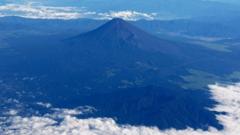
Critical Incident: Child Abandoned on Mount Fuji During Family Expedition
A disturbing situation unfolded when a father left his 7-year-old son abandoned on Mount Fuji, one of Japan's most iconic peaks, to continue his mountain expedition. This alarming case of a child abandoned on Mount Fuji has raised serious concerns about parental responsibility and child safety protocols on popular climbing destinations.
The Circumstances of the Abandonment
The incident occurred when the adult male decided to leave one of his two young sons behind while pursuing the remainder of his hiking journey on the mountain. According to reports, the father proceeded to continue ascending Mount Fuji after becoming fatigued, abandoning his youngest child in the process. The decision to leave the child unattended demonstrated a severe lapse in judgment and parental duty.
Family Dynamics and Hiking Plans
The expedition began with genuine intentions as a family bonding experience, with the father bringing both of his sons to tackle the challenging mountain trek. However, as physical exhaustion set in, the situation deteriorated significantly. Rather than prioritizing the safety and wellbeing of his children, the father opted to abandon his youngest child in an attempt to continue the journey at his preferred pace.
Impact on the Child and Rescue Response
The 7-year-old child left abandoned on Mount Fuji faced a traumatic experience being separated from his parent on one of Japan's most demanding hiking destinations. The child's predicament necessitated intervention from local authorities and rescue personnel who became involved in ensuring the youngster's safety. Mount Fuji's unpredictable weather conditions and challenging terrain made this abandonment particularly dangerous.
Broader Concerns About Mountain Safety
This incident highlighting a child abandoned on Mount Fuji underscores critical safety considerations for families planning mountaineering activities. Mount Fuji attracts thousands of visitors annually, many of whom underestimate the physical demands and potential hazards associated with the climb. The case raises questions about adequate supervision levels and the necessity for parents to make realistic assessments of their children's capabilities.
Parental Responsibility and Child Welfare
The decision to leave a young child unattended in such circumstances constitutes a serious breach of parental responsibility. Child welfare authorities have expressed concern regarding the judgment demonstrated by the father. Such incidents prompt discussions about mandatory safety briefings and parental education before attempting challenging outdoor activities with children.
Lessons for Family Mountain Expeditions
Families considering Mount Fuji expeditions must recognize that hiking with young children requires careful planning, realistic pacing, and unwavering commitment to supervision. The temperament and physical fitness of the youngest family member should dictate the group's overall pace and objectives. Professional guides often recommend that adults ensure all children have adequate hydration, nutrition, and rest breaks.
Regulatory and Community Response
Local authorities have initiated appropriate investigations into this case of a child abandoned on Mount Fuji. The incident has prompted renewed discussions about safety regulations, proper supervision standards, and community education regarding responsible outdoor recreation with dependents. Mount Fuji authorities continue emphasizing that parents must prioritize child safety above personal fitness goals.
This troubling situation serves as a cautionary tale for all families planning mountain adventures, demonstrating that the commitment to outdoor recreation must always remain secondary to the protection and welfare of children entrusted to parental care.