Cross-Party Climate Strategy Urgent, Lib Dems Tell PM
Liberal Democrats demand multiparty climate talks to address extreme weather crises, heat waves, and upcoming super El Niño phenomenon affecting UK food security.
Liberal Democrats Call for Unified Climate Response
The Liberal Democrats have made an urgent appeal for cross-party climate talks to develop a comprehensive strategy addressing the escalating environmental challenges facing the United Kingdom. With extreme weather events becoming increasingly frequent and severe, party leaders argue that a coordinated government approach involving all political factions is essential to protect citizens and critical infrastructure.
Prime Minister Andy Burnham faces mounting pressure to establish a formal multiparty dialogue focused on climate resilience and disaster preparedness. The cross-party climate talks would bring together representatives from different parliamentary groups to forge consensus on immediate actions and long-term solutions to weather-related emergencies that threaten national stability.
Recent Extreme Weather Events Demand Action
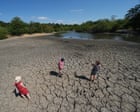
The UK has experienced unprecedented meteorological challenges in recent months, with five successive heatwaves striking since May. These extreme weather episodes have strained emergency services, disrupted daily life, and raised concerns about public health infrastructure capacity. The government convened a Cobra emergency meeting earlier this month to address drought conditions, yet critics contend the response has been insufficient and fragmented.
Beyond immediate domestic concerns, Britain faces potential global implications from the anticipated super El Niño phenomenon. This climate pattern typically triggers worldwide agricultural disruptions, commodity price volatility, and food supply chain complications affecting developed and developing nations alike. The economic ramifications include inflation pressures on essential goods and potential shortages of staple products.
Government Response Deemed Inadequate
While the Prime Minister's Cobra meeting demonstrated acknowledgment of the crisis, observers note the government has provided limited detail on its broader climate strategy. The focus on drought management alone fails to address interconnected threats posed by consecutive heatwaves, global climate patterns, and projected food security challenges. This reactive approach, rather than proactive planning, has prompted calls for comprehensive government action.
Why Cross-Party Climate Talks Matter
Political analysts emphasize that climate emergencies transcend party ideology. Establishing cross-party climate talks would enable evidence-based policymaking, unite behind scientifically-informed strategies, and demonstrate parliamentary solidarity during national crises. Multiparty consensus strengthens public confidence in government preparedness and facilitates faster implementation of critical measures.
Such dialogues would address multiple interconnected issues: heat-wave emergency protocols, drought management and water conservation, agricultural support systems vulnerable to climate impacts, inflation mitigation strategies related to food commodities, and long-term climate resilience infrastructure investment.
Global Climate Patterns and UK Vulnerability
The forecasted super El Niño represents a significant climate cycle with measurable impacts on global food production. Grain harvests, agricultural output, and fishing stocks face disruption across multiple continents, directly affecting import costs for the UK. Strategic government planning must incorporate commodity market volatility and develop domestic agricultural resilience.
The convergence of domestic extreme weather events with global climate disruptions creates compounding challenges. Citizens face both immediate heat-related risks and medium-term economic pressures from food price fluctuations. This dual threat requires sophisticated policy responses spanning emergency management, agricultural policy, economic planning, and public communication.
Path Forward for UK Leadership
The Liberal Democrats' proposal for cross-party climate talks represents practical crisis governance. By establishing formal multiparty engagement, the government would signal commitment to science-based decision-making and unified national response. Opposition parties would gain direct input into policy formulation, increasing legislative support for emergency measures and climate adaptation programs.
Such initiatives might include emergency funding for heat-vulnerable populations, agricultural subsidies protecting domestic food production, water infrastructure investment, and public health campaigns addressing heat-stress risks. Long-term planning must simultaneously address climate mitigation and adaptation challenges.
As extreme weather becomes normative rather than exceptional, institutional frameworks supporting cross-party climate talks offer proven governance models. International examples demonstrate that multiparty climate consensus accelerates implementation timelines and increases public participation in resilience-building initiatives.