Colombia's Escalating Gang Violence Shapes Pivotal Presidential Race
Colombia's brutal internal conflict dominates the presidential election as a left-wing senator promoting gang dialogue faces a Trump-endorsed outsider candidate.
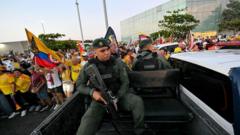
Colombia's Internal Crisis Becomes Central Campaign Issue
The trajectory of Colombia's presidential election is being fundamentally shaped by the nation's escalating internal conflict and rising gang violence. As candidates prepare for electoral confrontation, the security crisis—marked by brutal confrontations between state forces and armed criminal organizations—has emerged as the dominant force reshaping Colombia's political landscape.
The Left-Wing Candidate's Security Approach
A prominent left-wing senator is advancing an unconventional strategy for addressing Colombia's gang problem through negotiated dialogue with armed organizations. This progressive politician contends that diplomatic engagement with criminal networks offers a pathway toward reducing violence and establishing sustainable peace mechanisms. The senator's position represents a significant departure from traditional military-focused approaches to gang suppression, arguing instead for understanding the socioeconomic drivers behind armed recruitment.
This candidate emphasizes that conversations with gang leadership could address root causes of violence, including poverty, lack of opportunity, and territorial disputes. The senator frames dialogue as a pragmatic response to a security challenge that conventional enforcement has failed to fully resolve. Within his political vision, negotiated settlements could redirect resources toward development initiatives while simultaneously reducing casualties from ongoing confrontations.
The Opposition: Trump-Endorsed Challenger
Opposing this approach is an outsider candidate who has received endorsement from former U.S. President Donald Trump. This challenger represents a markedly different philosophy regarding Colombia's security challenges. The Trump-backed contender advocates for intensified pressure against criminal organizations, emphasizing law enforcement operations and strengthened international cooperation to combat gang activities and drug trafficking networks.
The opposition candidate criticizes dialogue-based strategies as potentially rewarding criminal organizations and signaling weakness to armed groups. Instead, this candidate promotes a hardline position centered on expanding police and military operations, stricter penalties for gang members, and enhanced border security measures. The candidate's platform reflects skepticism toward negotiation frameworks, viewing robust enforcement as the appropriate response to violence.
Electoral Stakes and National Priorities
Colombia's presidential election has transformed into a referendum on how the nation should confront its most pressing security challenges. Voters face a stark choice between two fundamentally different visions: one emphasizing negotiated resolution and dialogue-based conflict reduction, the other prioritizing enforcement intensity and military operations against criminal organizations.
The escalating cycle of gang violence—including territorial battles, extortion operations, and recruitment through coercion—continues influencing public sentiment and electoral preferences. Communities directly affected by violence demonstrate varying responses to the competing proposals, with some supporting dialogue initiatives while others demand intensified security operations.
International Dimensions of the Conflict
The presidential race reflects broader geopolitical considerations beyond Colombia's borders. The Trump endorsement introduces international political factors into Colombia's electoral process, while the left-wing candidate's diplomatic approach aligns with broader regional trends toward peace negotiations. These international dimensions add complexity to voter decision-making and shape how campaigns articulate their security strategies.
Looking Forward: Implications for Colombia's Future
Whichever candidate emerges victorious will inherit responsibility for implementing their chosen security strategy amid ongoing violence. The elected president will determine whether Colombia pursues dialogue-based conflict resolution or enforcement escalation, fundamentally altering the trajectory of the nation's response to armed gangs and internal conflict. This election represents far more than a routine leadership transition—it constitutes a pivotal moment determining Colombia's security direction for years ahead.