Clean Aviation Fuel: Electric Power Reshapes the Future of Flight
Discover how electric power is revolutionizing aviation as a cleaner alternative to traditional fuel. Explore the future of sustainable flight technology.
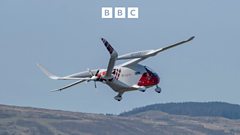
Electric Power Aviation: The Dawn of Sustainable Flight
Electric power aviation represents a significant shift in how the aerospace industry approaches environmental responsibility and fuel consumption. As airlines and manufacturers seek cleaner alternatives to traditional aviation fuel, electric power has emerged as one of the most promising solutions for reducing carbon emissions in commercial flight operations.
Why Electric Power Aviation Matters Today
The global aviation sector accounts for approximately 2-3% of worldwide carbon emissions, making the transition to cleaner energy sources increasingly critical. Electric power offers a transformative pathway toward achieving net-zero aviation goals while maintaining the operational efficiency that modern air travel demands. Unlike conventional jet fuel combustion, electric propulsion systems produce zero direct emissions during flight, addressing one of the most pressing environmental challenges facing the industry.
Current Developments in Clean Aviation Fuel Technology
Manufacturers worldwide are investing heavily in electric aircraft prototypes and hybrid-electric systems. Regional aircraft with all-electric propulsion are already undergoing testing phases, with some expected to enter commercial service within the next decade. Companies like Airbus, Eviation, and Heart Aerospace are developing electric aircraft designed for shorter routes, while research continues into larger-capacity electric planes for medium-range flights.
Battery Technology Breakthroughs
The success of electric power aviation largely depends on advances in battery technology. High-energy-density batteries are essential for achieving the power-to-weight ratios necessary for practical commercial flight. Recent developments in lithium-ion and solid-state batteries show promising results, potentially extending the range of electric aircraft and improving overall performance metrics significantly.
Comparing Electric Power to Traditional Aviation Fuel
Traditional aviation fuel derived from crude oil has powered commercial aviation for decades, but its environmental impact is undeniable. Electric power aviation eliminates harmful particulate emissions, nitrogen oxides, and greenhouse gases produced during combustion. Additionally, electric motors are inherently more efficient than internal combustion engines, converting up to 90% of electrical energy into propulsive force compared to roughly 30-35% for traditional fuel systems.
Cost Considerations and Economic Impact
While initial infrastructure investments are substantial, the long-term operational costs of electric power aviation are potentially lower than conventional systems. Electricity generation costs remain more stable than volatile oil prices, and maintenance requirements for electric motors are significantly reduced compared to complex jet engines.
Infrastructure and Implementation Challenges
Transitioning to electric power aviation requires substantial groundwork. Airports need charging infrastructure, power grid upgrades must support increased electrical demand, and regulatory frameworks must evolve to accommodate new aircraft types. Additionally, battery weight limitations currently restrict electric planes to regional routes, making gradual implementation a realistic approach rather than immediate replacement of all conventional fleets.
Government Support and Sustainability Initiatives
International aviation authorities and environmental agencies actively support the development of cleaner alternatives to traditional fuel. The European Union's Green Deal and similar global initiatives provide funding and regulatory incentives for manufacturers developing electric aircraft. These programs recognize that electric power aviation is essential for meeting climate targets and reducing aviation's environmental footprint.
The Future Landscape of Sustainable Aviation
Industry experts predict that within 15-20 years, electric aircraft will operate on numerous regional routes across developed nations. While large transoceanic aircraft will likely rely on advanced biofuels or hydrogen technology for the foreseeable future, electric power aviation will dominate short-haul operations. This hybrid approach ensures that the aviation industry can pursue sustainability goals while maintaining connectivity and operational capabilities.
Emerging Technologies Complementing Electric Solutions
Hydrogen fuel cells represent another promising alternative working alongside electric power aviation developments. Hybrid systems combining battery-electric and hydrogen propulsion could extend range capabilities while maintaining environmental benefits. Meanwhile, sustainable aviation fuel (SAF) derived from renewable sources offers an interim solution for existing aircraft fleets.
Conclusion: Embracing Electric Power Aviation
The transition toward electric power aviation marks a pivotal moment for the aerospace industry. As technology matures and infrastructure expands, electric power will undoubtedly reshape how we travel by air. While challenges remain, the momentum toward cleaner aviation alternatives demonstrates genuine commitment to sustainable transportation solutions. Electric power aviation is not simply a distant possibility—it represents the practical future of responsible, efficient, and environmentally conscious flight.