Channel 4 ADHD Documentary Sparks Charity Backlash
ADHD charity criticizes Channel 4's controversial ADHD documentary, called the most controversial show of the year by media outlets.
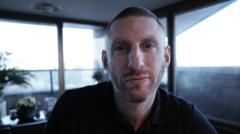
ADHD Charity Raises Concerns Over Channel 4 Documentary
An ADHD charity has publicly voiced significant concerns regarding Channel 4's recent documentary production, which explores contested narratives surrounding attention deficit hyperactivity disorder. The organization's complaint comes as media critics and industry observers intensify discussions about the program's impact and editorial approach to the sensitive topic of ADHD diagnosis and treatment.
Media Response to Documentary
The documentary has garnered substantial media attention, with one prominent newspaper labeling the show as "the most controversial show of the year," underscoring the significant debate it has generated within both professional and public spheres. This assessment reflects the documentary's capacity to challenge prevailing perspectives on ADHD while simultaneously attracting criticism from advocacy groups and health organizations.
Understanding the Controversy
The ADHD charity's complaint highlights ongoing tensions between documentary filmmaking and medical advocacy. The organization appears concerned about the documentary's framing of ADHD-related issues, suggesting potential misrepresentation or unbalanced coverage of established clinical understanding. Such concerns typically center on how conditions affecting millions of individuals are portrayed to the broader television audience.
Documentary's Central Claims
Channel 4's production appears to examine alternative perspectives on ADHD diagnosis and management, presenting viewpoints that diverge from mainstream medical consensus. This approach, while designed to encourage critical thinking, has prompted organizations focused on ADHD support and awareness to question the documentary's methodology, source reliability, and potential consequences for individuals living with the condition.
Broader Implications for Broadcasting
The incident raises important questions about editorial responsibility in documentary programming, particularly when addressing health-related topics that directly affect vulnerable populations. Broadcasters must balance investigative journalism principles with ethical considerations regarding public health information dissemination. The controversy surrounding this Channel 4 documentary demonstrates the complex landscape navigators face when presenting alternative viewpoints on well-established medical conditions.
Organizational Response
The ADHD charity's formal complaint reflects growing accountability expectations for major broadcasting networks. Organizations dedicated to supporting individuals with ADHD have positioned themselves as watchdogs, ensuring that public media representations accurately reflect scientific evidence and clinical best practices. Their intervention suggests a commitment to protecting public understanding of the condition.
Moving Forward
This situation underscores the importance of rigorous fact-checking and balanced representation in documentary journalism. As viewers increasingly rely on television programming to inform their understanding of complex health issues, broadcasters bear responsibility for accuracy and fairness. The ADHD charity's complaint will likely prompt further examination of the documentary's claims and methodologies within professional circles.