Can Technology Help Firefighters Combat Wildfires?
Discover how technology supports firefighters in wildfire detection and prevention. Learn about emerging tools transforming wildfire management strategies today.
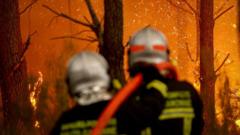
Technology and Firefighting: A Partnership Against Wildfires
The intersection of wildfire technology and firefighters represents one of the most critical developments in modern disaster management. While advanced technological solutions have revolutionized how authorities detect and monitor wildfires across vast landscapes, the essential role of trained firefighters remains irreplaceable in actual fire suppression operations. This complex relationship between innovation and human expertise demonstrates that the future of wildfire response depends on strategic integration rather than replacement.
The Role of Advanced Detection Systems
Modern wildfire technology has transformed early warning capabilities significantly. Satellite-based monitoring systems now provide real-time data on potential fire ignition points across regions that would be impossible to patrol manually. These sophisticated networks use thermal imaging, artificial intelligence algorithms, and automated alert systems to identify smoke and heat signatures long before human observers might spot flames.
Drone technology has emerged as a game-changer in wildfire detection and reconnaissance. Unmanned aerial vehicles equipped with high-resolution cameras and thermal sensors can survey dangerous terrain rapidly, providing firefighters with critical information about fire behavior, wind patterns, and potential escape routes. This aerial perspective helps ground teams make informed decisions about resource allocation and evacuation procedures.
Why Firefighters Remain Essential
Despite technological advances, firefighters continue to perform functions that machines simply cannot replicate. The actual suppression of wildfires requires physical intervention, strategic decision-making in unpredictable conditions, and rapid adaptation to changing circumstances. Firefighters assess terrain, determine water placement strategies, manage evacuation operations, and protect lives in real-time situations where split-second decisions matter.
The human element in firefighting extends beyond equipment operation. Experienced firefighters understand fire behavior through years of training and field experience. They recognize dangerous conditions, anticipate fire movement, and coordinate complex multi-agency operations involving hundreds of personnel. This institutional knowledge and adaptive thinking remain irreplaceable components of effective wildfire response.
Integration of Technology in Firefighting Operations
The most effective wildfire management strategies employ wildfire technology as support tools rather than replacements for personnel. Predictive analytics help fire chiefs position resources strategically based on weather forecasts and historical fire patterns. Real-time communication systems connected to drone feeds and satellite data enable commanders to adjust tactics instantaneously.
Geographic Information Systems (GIS) mapping technology allows firefighters to visualize terrain, identify water sources, and plan evacuation corridors with unprecedented precision. Mobile applications provide crews with weather updates, air quality information, and resource availability, improving coordination across jurisdictional boundaries.
Emerging Technologies Transforming Fire Response
Artificial intelligence continues advancing wildfire prediction models. Machine learning algorithms analyze decades of historical data to identify conditions that precede major fire events, enabling proactive resource deployment during high-risk periods. Some agencies now use AI-powered systems to optimize water drop patterns and predict how fires will spread based on real-time environmental variables.
Thermal imaging technology worn by firefighters themselves has improved substantially, allowing personnel operating in smoke-filled environments to navigate safely and locate potential fire victims. These systems transmit data back to command centers, providing supervisors with live situational awareness.
Challenges in Technology Adoption
Budget constraints remain a significant obstacle to widespread implementation of advanced wildfire technology across all fire departments. Rural and smaller agencies often lack resources for sophisticated monitoring systems. Training requirements for new technologies also present challenges, as firefighters must balance traditional skill development with digital literacy.
Data reliability and system failures represent additional concerns. Technology-dependent operations require backup systems and contingency plans when satellite coverage fails or drone batteries deplete during critical operations. This reality underscores why human judgment and traditional firefighting expertise cannot be eliminated from response protocols.
Looking Forward: Technology-Enhanced Firefighting
The future of wildfire response lies in seamless integration of wildfire technology with experienced firefighter teams. Investment in better detection systems, communication infrastructure, and analytical tools will improve prevention and early response capabilities. Simultaneously, continued recruitment, training, and retention of skilled firefighters ensures that ground operations remain effective.
Communities best protected against wildfires recognize that technology amplifies human capability rather than replacing it. Advanced systems provide firefighters with better information, improved safety tools, and enhanced coordination mechanisms. This partnership approach recognizes both the revolutionary potential of innovation and the irreplaceable value of trained personnel facing one of nature's most powerful forces.