Burnham's Christmas Homelessness Plan Faces Housing Crisis
Andy Burnham's pledge to house every rough sleeper by Christmas faces setbacks as England's housing shortage worsens and street homelessness rises dramatically.
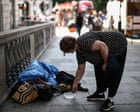
Burnham's Homelessness Pledge Under Strain
England's ambitious Burnham homelessness pledge to provide shelter for every rough sleeper before Christmas is encountering significant obstacles. The initiative, championed by Labour officials, seeks to ensure no individual remains without accommodation during the festive season. However, the combination of escalating street homelessness and limited housing availability threatens to derail this commitment.
Government data reveals the scope of the challenge facing policymakers. Between January and June, approximately 1,000 additional individuals were recorded sleeping rough across England, indicating a concerning upward trajectory in street homelessness.
Escalating Homelessness Numbers
The statistics paint an alarming picture of England's housing crisis. The documented increase in rough sleepers represents a significant strain on existing shelter infrastructure and social services. This surge demonstrates that Burnham's homelessness pledge requires more than symbolic gestures; it demands concrete housing solutions and expanded resources.
The Latest available figures underscore the urgency of the situation. Government agencies continue monitoring these trends, yet the data consistently shows homelessness intensifying rather than diminishing across English cities and rural areas alike.
Housing Shortage as Primary Obstacle
The fundamental barrier to achieving Burnham's homelessness pledge remains the chronic shortage of suitable accommodation. England faces a well-documented housing deficit that affects not only rough sleepers but also working families and vulnerable populations seeking affordable homes.
Housing experts note that temporary measures alone cannot resolve the structural issues underlying rough sleeping. Without adequate long-term housing solutions, even well-intentioned campaigns struggle to achieve measurable success. The Burnham homelessness pledge therefore hinges on expanding the nation's housing stock rather than simply redistributing existing resources.
Labour's Strategic Response
The Labour administration has framed getting rough sleepers off streets before Christmas as a central policy objective. Officials acknowledge the ambitious nature of this target while emphasizing commitment to reducing street homelessness systematically. However, implementation faces real-world constraints that policymakers must address.
Housing availability remains the bottleneck preventing rapid expansion of shelter provision. Each rough sleeper requires stable, appropriate accommodation—not merely temporary crisis beds. This distinction matters considerably when evaluating Burnham's homelessness pledge against actual outcomes.
Challenges for Policy Implementation
Realizing Burnham's homelessness pledge demands coordinated action across multiple government departments. Housing officials must work alongside homelessness services, mental health providers, and local authorities to create comprehensive solutions. The current housing shortage complicates these efforts substantially.
Many rough sleepers face complex needs including substance abuse issues, mental health conditions, and trauma histories. Suitable housing for this population requires specialized support services, not merely placing individuals into standard accommodation. This reality adds another layer of difficulty to Burnham's homelessness pledge timeline.
Regional Variations and Local Impact
The rough sleeper increase documented between January and June likely masks significant regional variations. Urban centers typically report higher homelessness concentrations than rural areas, yet housing shortages affect all regions. Burnham's homelessness pledge must therefore address diverse local circumstances while maintaining consistent national standards.
Local authorities currently grapple with insufficient resources to manage escalating street homelessness. Some municipalities report dramatic increases within their jurisdiction, straining emergency services and outreach teams attempting to implement Burnham's homelessness pledge effectively.
Future Outlook
The success or failure of Burnham's homelessness pledge will ultimately depend on whether substantive housing solutions emerge before the Christmas deadline. Current trends suggest this timeline presents genuine challenges given existing resource constraints and housing market realities.
Policymakers must balance ambitious rhetoric with practical implementation capacity. While Burnham's homelessness pledge represents genuinely important objectives, achieving measurable results requires sustained investment in housing construction and service provision rather than short-term interventions.